
Lip Tattoo Removal
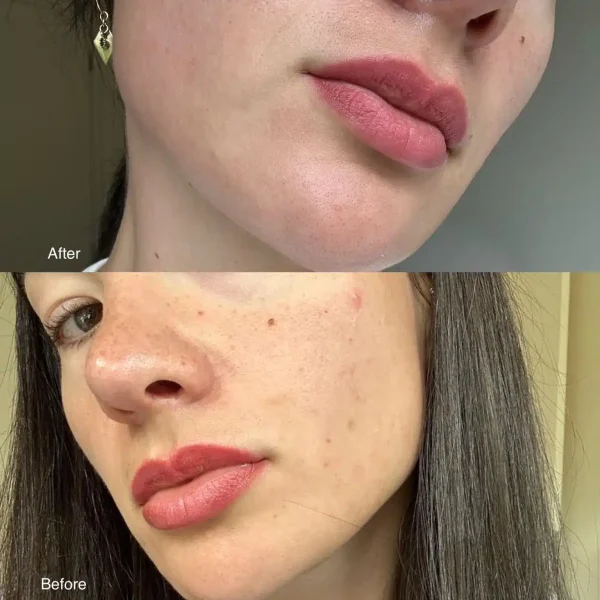
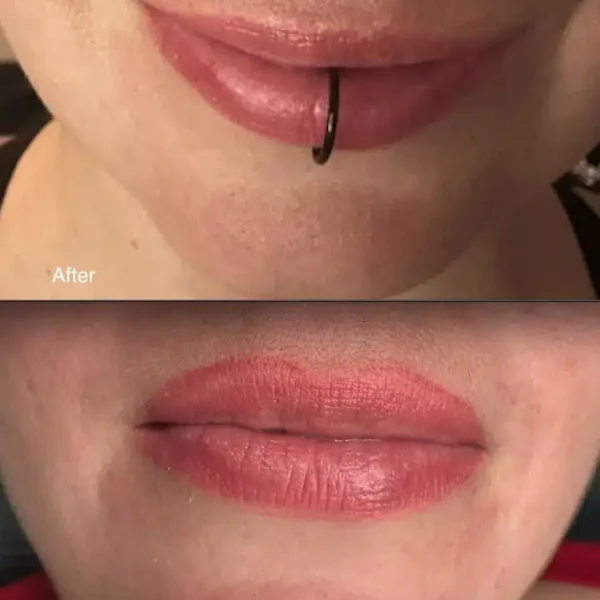
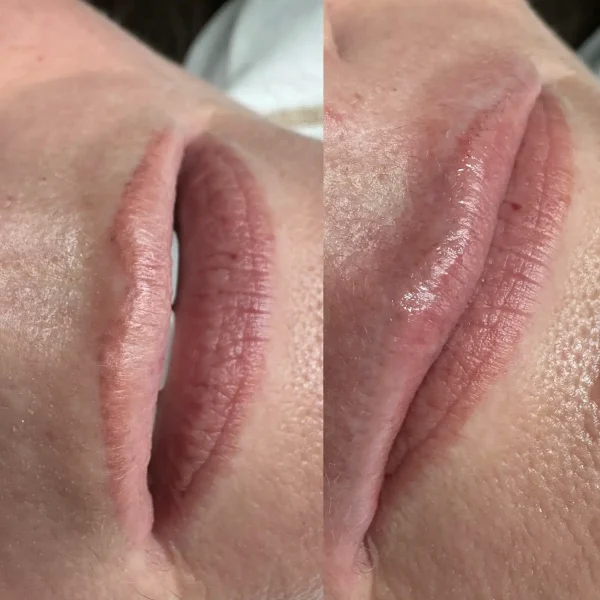
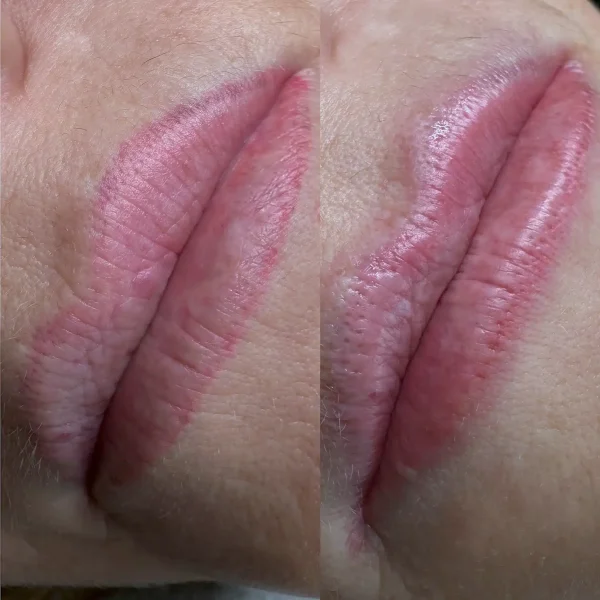
Lip tattoo removal is often considered when individuals want to adjust or reverse previous cosmetic work. Lip blush and lip liner permanent makeup tattoos can alter the shape and enhance the fullness of the lips, creating a more vibrant appearance. Individuals who have had their lips tattooed sometimes opt for lip blush removal for various reasons.

Price
-
Laser Lip Tattoo Removal $199
duration 30 min
-
Saline Lip Tattoo Removal $250
duration 1 hour
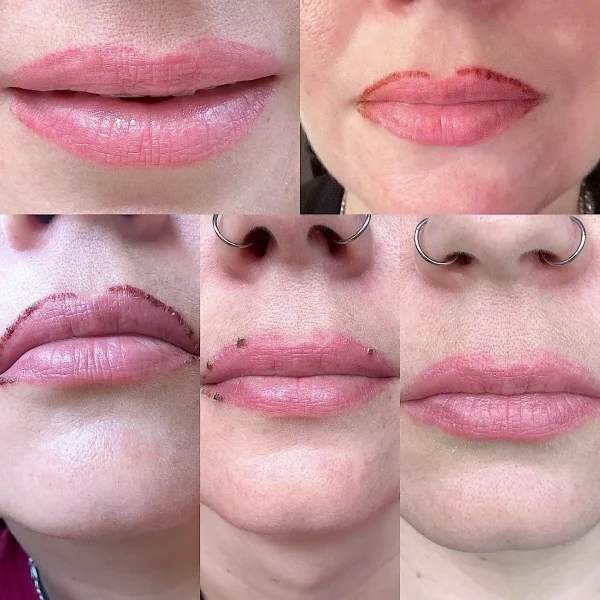
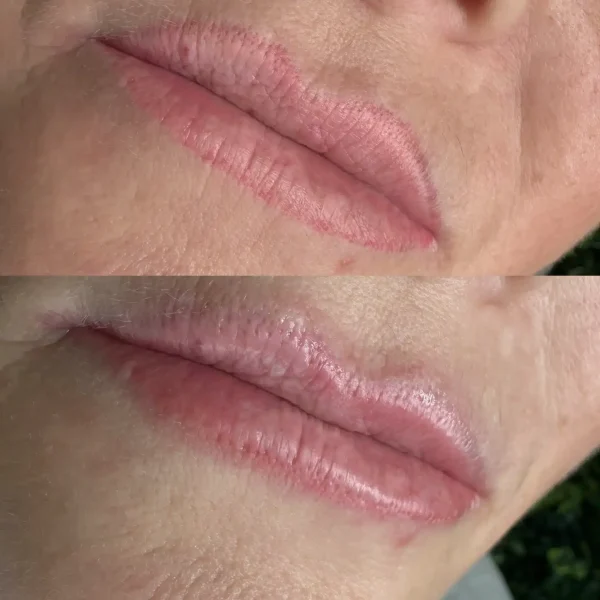
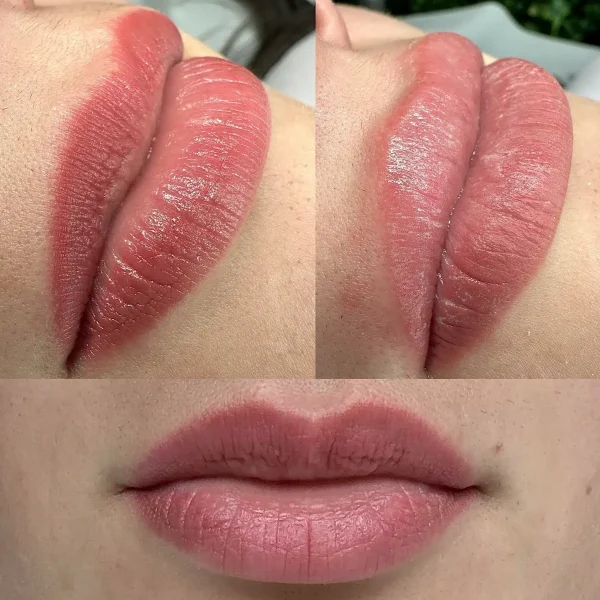
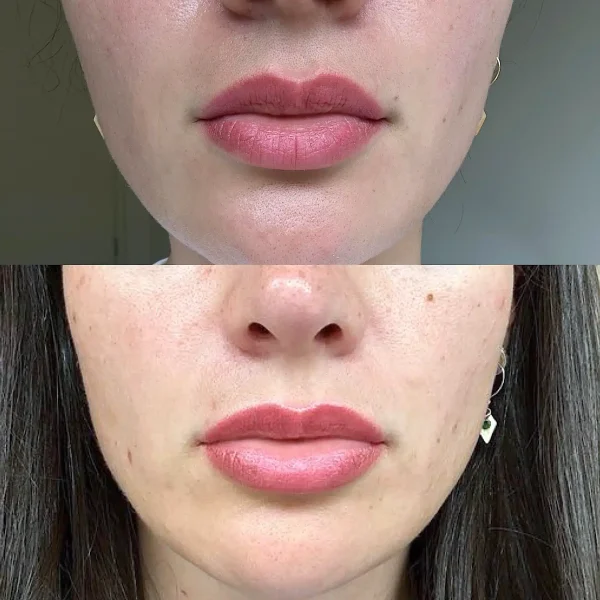
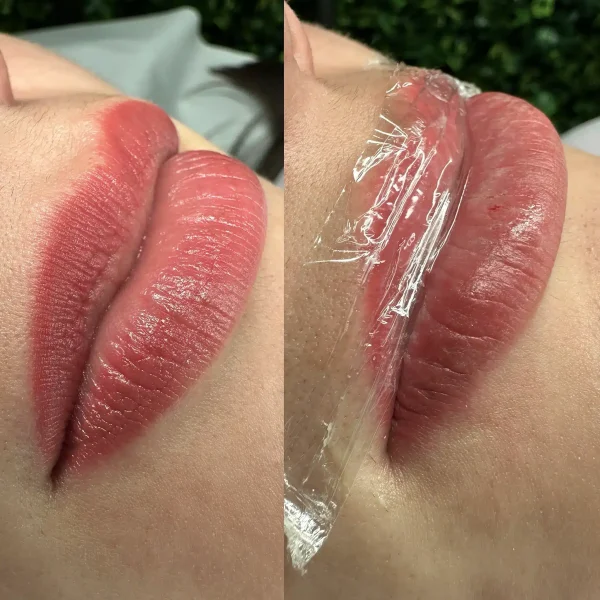
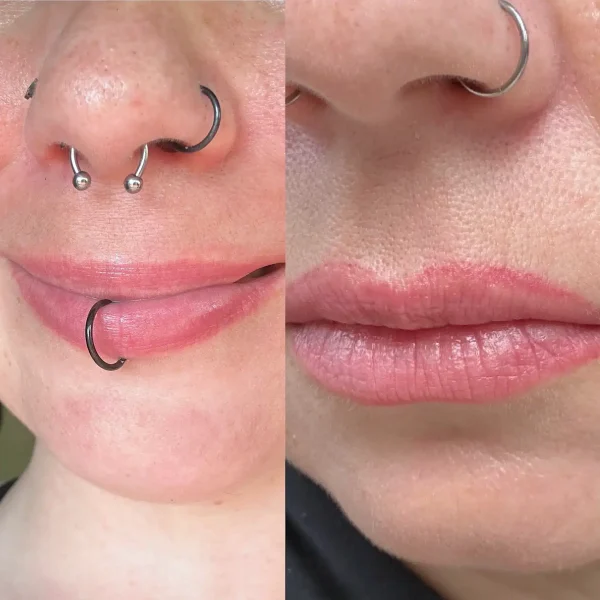
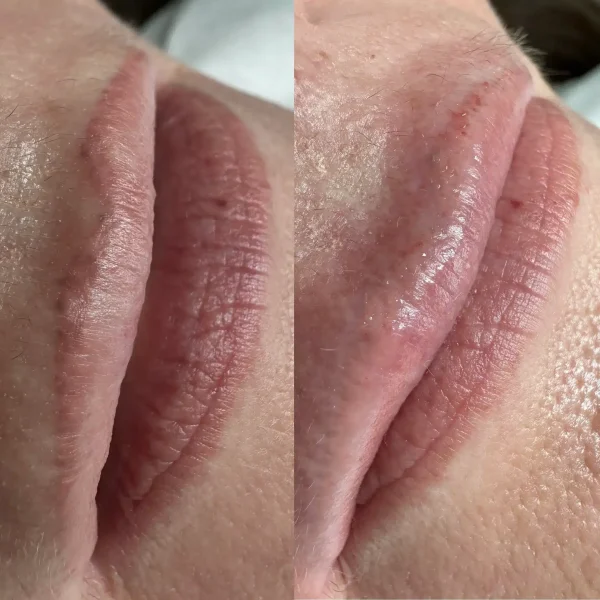
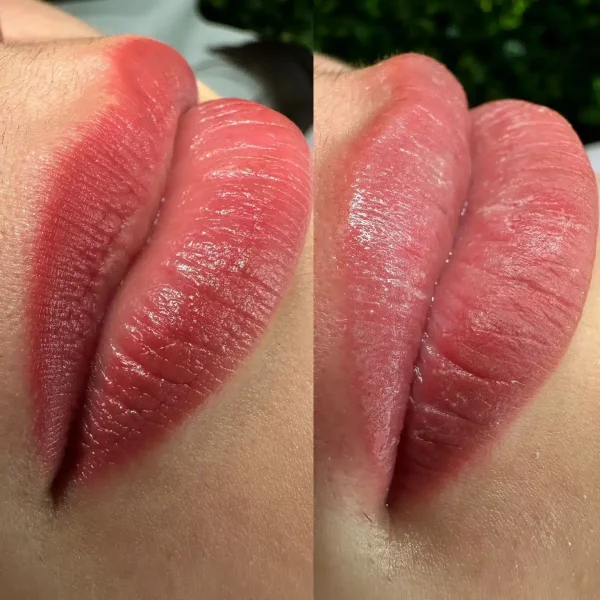
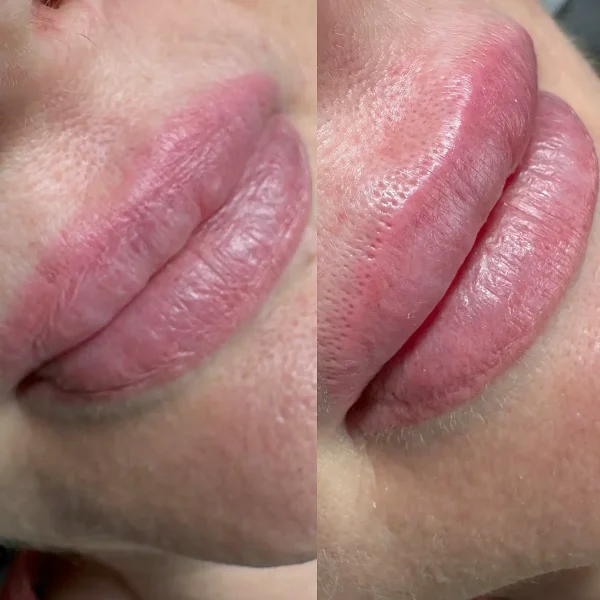
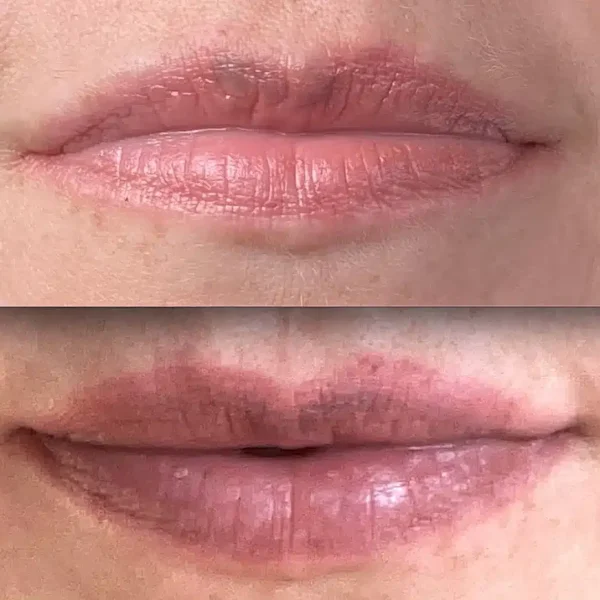
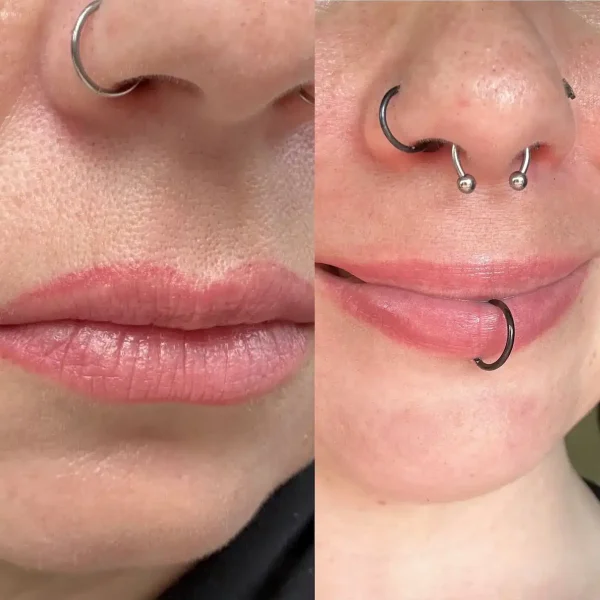
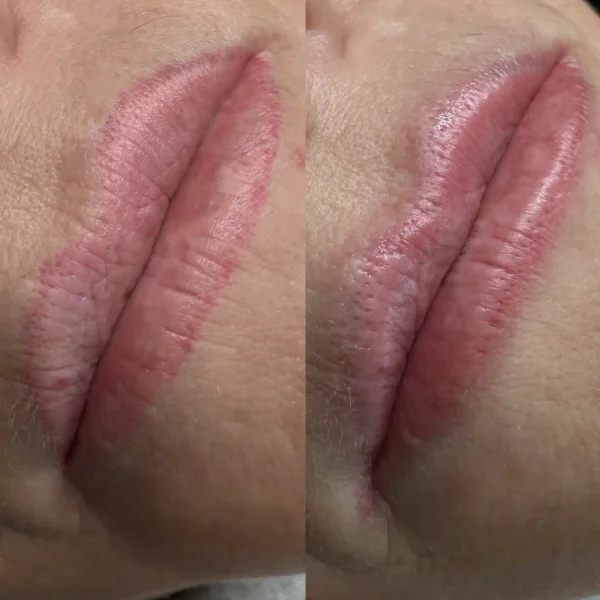
Main Reasons To Visit Us
Lip Tattoo Removal expert

At Face Figurati in Melbourne, I specialise in safe, predictable removal of lip tattoo — from migrated lip liner to uneven lip-blush tones and overlined shapes. As a Licensed Cosmetic Tattoo Artist and Removal Specialist, I use targeted laser and saline techniques (chosen by pigment, depth and skin type) to lift colour while protecting your delicate lip tissue. Sessions are comfort-managed, hygiene is council-compliant, and timelines are honest — with test spots where appropriate for deeper or mixed pigments. I’ll assess undertones, melanin response and any previous filler history to plan a steady fade without over-treating the area. You’ll leave with simple, sensible aftercare and clear expectations for each stage. Ready to refresh your lips safely? Book a personalised consult with me, Olha Po.


Can lip blushing be reversed?
Lip blushing is not permanent but semi-permanent so it won’t wash off like makeup. If you’re unhappy with the results or how it has faded, there are ways to remove it. One option is to let the colour fade naturally over time, which can take years and may not remove all the pigment altogether. For a quicker solution, other options may be more effective.
The best way to remove unwanted lip blushing?
Lip tattoos are famous for their convenience, ability to add volume to lips, and long-lasting results.
A lip tattoo gone wrong can be a source of frustration. Researching options for lip tattoo removal can lead to uncertainty about the next steps. There’s a lot of conflicting information on whether removing a lip tattoo and the best way to do it is possible.
We are exploring solutions for thoroughly removing unwanted pigment on the lips to provide clear information on correcting lip tattoos.
What options are available for lip tattoo removal?
Different methods, including laser and non-laser options, are available for removing lip tattoos, whether body art or permanent makeup.Laser lip tattoo removal is a process that involves targeting unwanted pigments with a laser beam, which breaks down the molecules and allows the body to extract them.
The particles are trapped by scavenger cells in the blood and extracted through the lymphatic system. Each removal session can only break down a certain amount of pigment, necessitating repeated sessions until all pigment is extracted.Various laser technologies have different levels of effectiveness depending on the pigment colour and formula.
Is It Safe?The treatment is generally safe when used properly with the right technology and parameters. However, there is a potential for scarring and hypopigmentation on darker skin tones.A skilled individual is capable of safely performing the procedure.
Attention!
Many pigments used for lip permanent makeup contain titanium dioxide, a white pigment commonly found in lighter formulas.When a laser beam touches titanium dioxide, it can oxidize and change colour to grey, blue, or black. The colour can be removed with laser treatments after several weeks once the skin has healed. This colour change is harmless but not aesthetically pleasing.Clients often opt for non-laser options for lip tattoo removal or choose to start with 1-2 laser sessions before switching to non-laser methods.
Non-Laser Removal
Non-laser methods involve a different technique: the pigments are extracted from the skin.
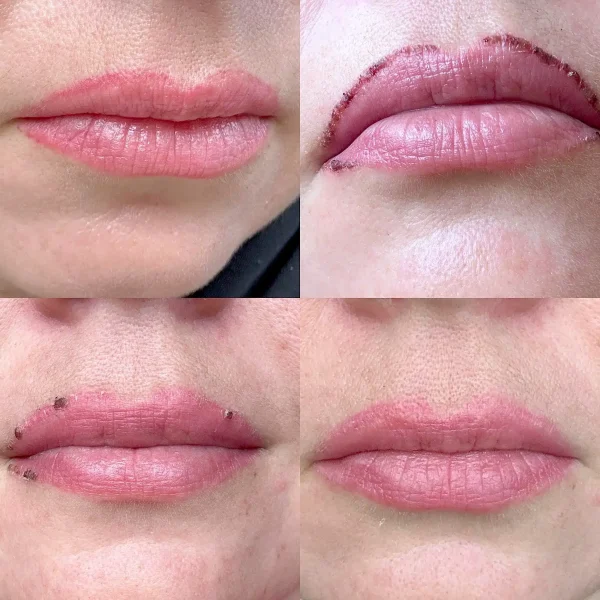
A procedure removes unwanted tattoos by opening up the skin over the pigments with a machine and administering a unique solution. As the solution lifts the pigment, lymph and possibly blood are secreted by the body, bringing the pigments to the surface and forming a scab.The scab will fall off once the healed skin underneath is ready, taking the lifted pigments with it. Multiple sessions are needed for pigment, which is similar to laser removal.Various solutions are used for lifting pigment, including salt-saline-based options and blends of acids. Different removal techniques utilize different systems.
Is It Safe?
It is generally true that opening the skin poses the risk of scarring. Extensive micro-injuries or overworking the skin can lead to scarring. Additionally, there is a risk of infection due to broken skin and a minor risk of allergic reaction to products, which can be prevented with a patch test.
If the pigment is located outside the lip border
It is recommended to only apply lip tattoos within the vermilion border, where the skin transitions from the lips to the face. In the past, some clients mistakenly requested pigments to be placed around their lips for a fuller appearance.
Lip pigments can migrate and blur around the lips, creating a prominent look that may not always match the natural lip colour.Many clients seeking lip tattoo removal want to remove permanent lip liner that was applied beyond the vermilion border.
In this situation, both laser and non-laser lip tattoo removal techniques are effective.It is important to note that laser removal may result in a temporary grayish-bluish outline.
Alternative methods
There are various methods for tattoo removal, but the laser and saline methods are considered the safest and most effective. Other methods may be more invasive or have more severe side effects, making them less favoured or suitable for some individuals.
Additional tattoo removal options are also available.
Tattoo Removal Cream or Ointment
Over-the-counter creams and ointments are available for reducing the appearance of tattoos or removing them completely. However, the effectiveness of these products is often questionable as they typically contain acids that can damage the skin without completely removing the tattoo. This is especially risky for cosmetic tattoos in sensitive areas of the skin.
Waiting for the colour to fade away
The process can be time-consuming, may not altogether remove all ink pigment, and may not be the best option for those seeking a quicker solution.
Dermabrasion
Dermabrasion is a technique that physically removes the top layers of skin using a motorized brush or diamond-tip wand. It is commonly used for treating acne scars and skin imperfections. However, dermabrasion is not an effective method for removing lip-blushing tattoos. The pigments used in lip blush tattoos are applied more deeply into the skin than what dermabrasion can reach.
Additionally, dermabrasion can cause damage and injury to the delicate skin of the lips, leading to scarring, discolouration, and other complications. It is also more invasive and painful compared to other removal methods like laser tattoo removal or saline removal.
FAQ
Can lip tattoos actually be removed or just lightened?
Both. I can fully remove or strategically lighten lip blush, liner and old lip contour work. We’ll decide together whether full clearance or a softer fade suits your goals and skin.
Is lip tattoo removal safe?
Yes—when performed by a trained practitioner using conservative settings. Lips are highly vascular and more reactive than brows or body skin, so I tailor parameters and session spacing to protect your barrier and minimise swelling.
Will I swell a lot?
Some swelling is normal for 24–48 hours because the lip tissue is delicate. Cool compresses, elevation when sleeping, and strict aftercare keep it manageable. Most clients feel “puffy” rather than sore.
Laser vs saline for lips—what’s better?
Laser is efficient for most cosmetic lip pigments. Saline helps with very precise edge tidy-ups or when we want to avoid possible oxidation in certain inks. I often combine methods across sessions for the best cosmetic outcome.
Can the colour go darker after the first session?
Occasionally. Inks containing white/skin-tone compounds may oxidise and look greyish initially after laser. This is expected chemistry and we plan follow-ups to break it down safely.
How many sessions will I need?
Most lip tattoos need 3–6+ sessions, spaced 8–10 weeks apart. Dense liner, older contour work, or layered colours may take longer. We’ll reassess your skin response after each visit.
Does it hurt? Do you numb the lips?
Clients describe quick, hot snaps. I use cooling throughout and, where appropriate, a topical numbing protocol suitable for the lip area. Comfort is important, but skin safety always comes first.
I get cold sores—can I still do removal?
If you have a history of herpes simplex (cold sores), removal can trigger a flare. Please talk to your GP or pharmacist about a preventive antiviral before treatment. We don’t treat during an active outbreak and will reschedule if needed.
What should I avoid before my appointment?
Skip sun exposure and fake tan on/around the lips, stop strong actives (retinoids/acids) for 5–7 days, avoid alcohol the night before, arrive well-hydrated and without lipstick or liner.
What does aftercare look like?
Keep the area clean, dry and makeup-free until intact. Avoid spicy/salty foods, very hot drinks, kissing, saunas, pools and vigorous exercise for several days. Use only the balm I provide; once healed, reintroduce SPF lip care daily.
When can I wear lipstick again?
Once the skin is intact—usually 3–7 days depending on your healing—use a new lipstick to reduce bacteria risk. Avoid long-wear formulas for the first week after clearance.
Can you just soften the outer lip line without touching the middle?
Absolutely. Targeted lightening along the border is common when old liner looks too sharp or cool-toned. I’ll feather fade the edges so the mouth looks softer and more natural.
Is it suitable for darker skin tones or mature lips?
Yes—with conservative energy, larger spot sizes and longer intervals where needed. I can patch-test first and will always prioritise pigment-stability and barrier care.
How long are appointments and what about pricing?
Most sessions take 20–40 minutes including prep and cooling. Pricing depends on size, density and whether we’re fully removing or just refining edges. I’ll confirm a quote after assessment or clear photos with a size reference.