
Areola Tattoo Melbourne – 3D Nipple Tattoo & Areola Restoration
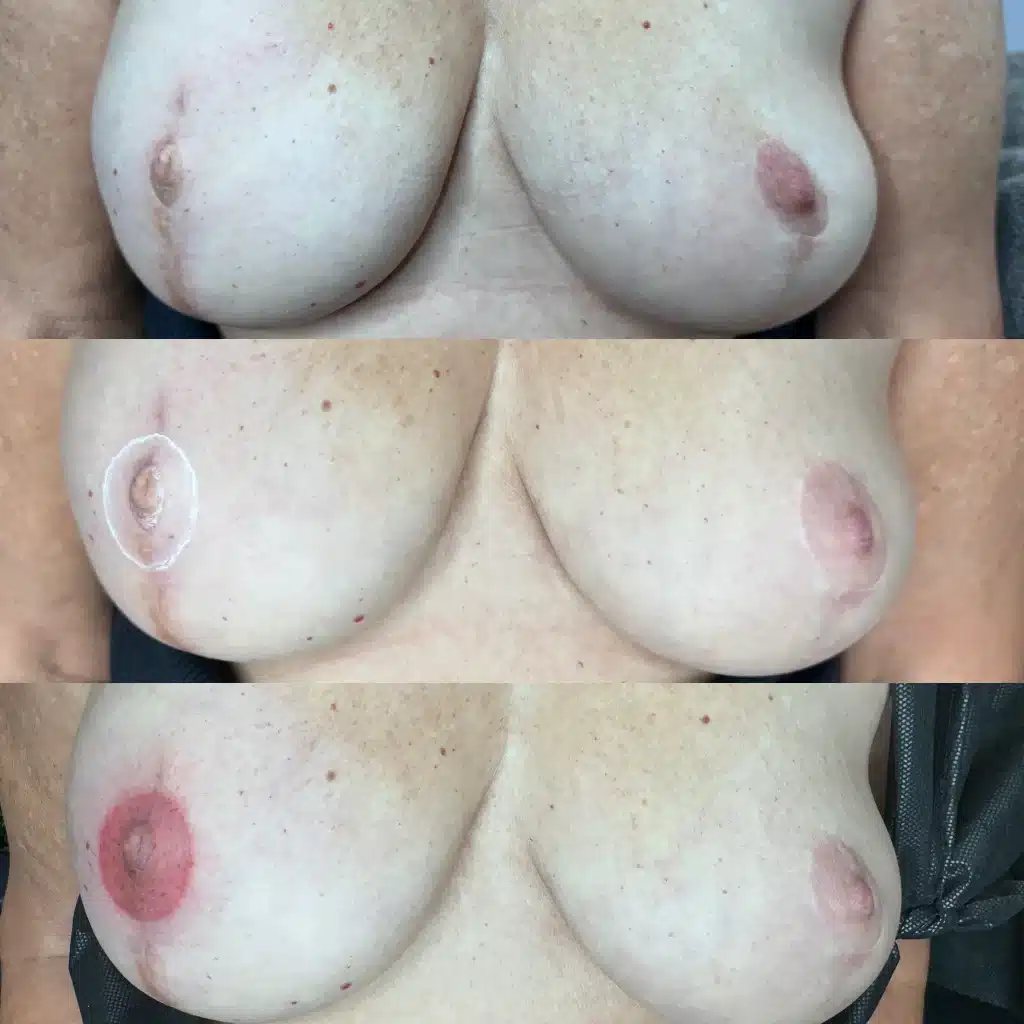
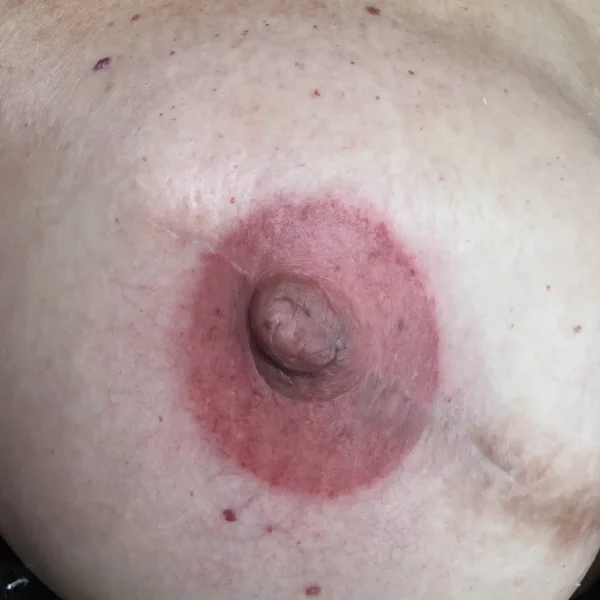
Areola tattoos, also called nipple tattoos, are a type of paramedical tattooing that can help make the nipple-areola complex look more natural. Unlike your run-of-the-mill tattoos, areola tattooing is all about achieving a super-realistic look through advanced techniques that make the pigments look just right. It’s not just about making your areolas look better; the treatment can restore colour symmetry, bring back lost pigmentation or even create a realistic-looking nipple after breast reconstruction surgery.
Price
-
Areola Tattoo (both nipple) $550
duration 3 hours
-
1st Touch-up session $275
duration 2 hours
-
2nd, 3rd Touch-up session $165
duration 2 hours
Reviews



- Olha is incredible. I recently had an Eyelash Enhancement Tattoo done by her and I'm very happy with the results. She made me feel relaxed and confident in her abilities. She gives attention to detail and takes pride in her work. Olha comes highly recommended!read moreread less

 Ermelinda Porter9/04/2026Olha is lovely, did a fantastic job on my lash liner tattoo, really happy with the result and highly recommend. Thank you Olha. Xxread moreread less Melissa Lowe6/02/2026Lower lash tattoo eyeliner- I had the most wonderful experience with Olha doing a beautiful natural looking lower eyelash liner. The results look incredible! They surpass any expectations I had! Not only is Olha the kindest most gentle human being, she also listens to exac what you want and is a true artist! I am so grateful to have chosen Cosmetic Tattooing Melbourne. I am a very happy customer 🥰❤️ Thank you Olharead moreread less Mel McGee4/28/2026
 - I got lash line and lip blush done. I’m so happy with my results! Olha is very talented and knew exactly the shade that would look best for my lips.read moreread less sandy l4/23/2026Olha is amazing. Such a calming atmosphere, with a steady hand. I wasnt 100% sure on what to get but Olha gave me valuable advise and I am so happy with the result. Eyelash enhancement is the service Olha provided, and it was the best thing I could have done. A subtle highlight with the results being everyone telling me my eyes look amazing. Olha is the best in the business which I would recomend to anyone even for a consultation if you are thinking of getting a treatment xxxread moreread less
 Emily Lawrence1/30/2025Olha is amazing. Such a calming atmosphere, with a steady hand. I wasnt 100% sure on what to get but Olha gave me valuable advise and I am so happy with the result. Eyelash enhancement is the service Olha provided, and it was the best thing I could have done. A subtle highlight with the results being everyone telling me my eyes look amazing. Olha is the best in the business which I would recomend to anyone even for a consultation if you are thinking of getting a treatment xxxread moreread less
  Emily Lawrence1/30/2025
 - Having read & watched her reviews I chose to have a consultation with Ohla to discuss what I was looking for and what my options were She performed a lash line tattoo & combo brows tattoo and I couldn’t be happier The environment relaxing & comfortable Ohla has a very gentle touch & a calming demeanour The results are terrific Highly recommend 🤩read moreread less kerry bulmer12/05/2024Olha is amazing, I had lashlines done, and I am so happy with the results. I highly recommend Olha!read moreread less Nicole Priems10/04/2024Can’t recommend Ohla enough, what a beautiful girl. I have had my lash line tattooed and I’m thrilled with the result. She is gentle, professional, punctual and her room is clean and inviting. I went to her in the first place because her reviews were so positive, so I’m delighted to be able to add another great review for her. Thanks Ohla, you’re the bestread moreread less Katrina Symes6/29/2024
- Please stop waiting and make your appointment, and you will be so very happy with the results! I had powder brows and eyelash enhancement done, and it is so nice to wake up with a face lol.read moreread less Janie C3/16/202410/10. Amazing EVERYTIME!! Totally recommend. My lashes always look fab.read moreread less Madison Schofield2/26/2023Had lash liner tattoo done. Very lovely to work with and the results turned out great ☺️read moreread less Evelyn Vo2/26/2023
- Olha did an amazing job with my eyelash tattoo, was very detailed and pain free! She checked up on me very often throughout the process to make sure I was doing okay as well, super friendly and comfortable environment to be in! She also updated me at every stage of the tattoo and what she was doing next, which helped a lot! Will definitely be coming back 😊read moreread less Melissa Ngo2/26/2022





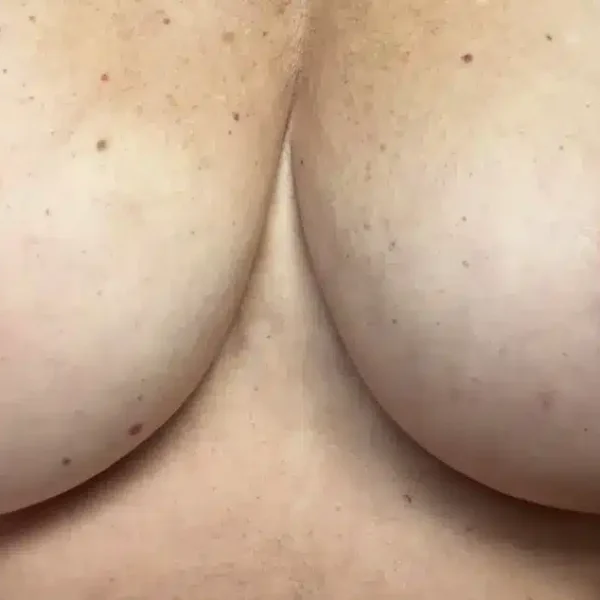
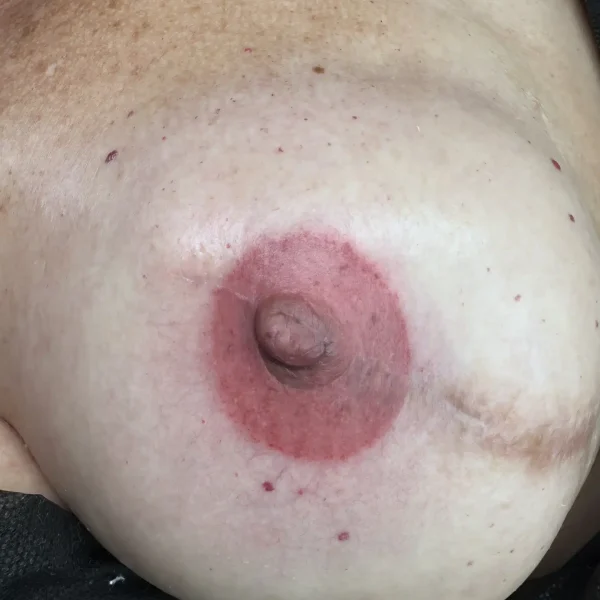
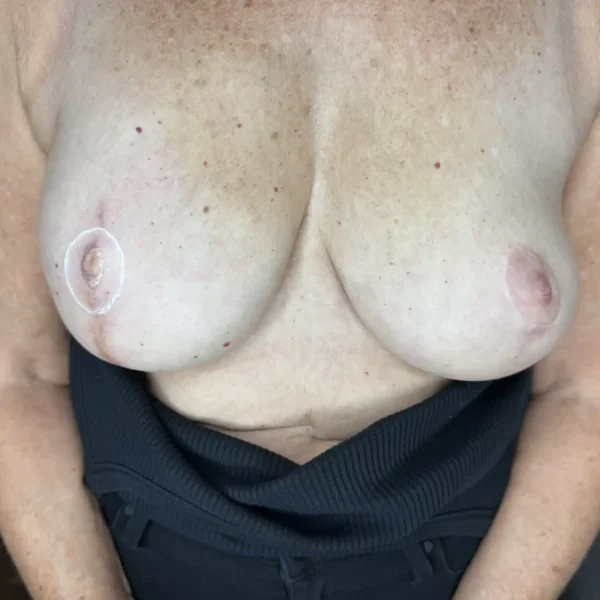
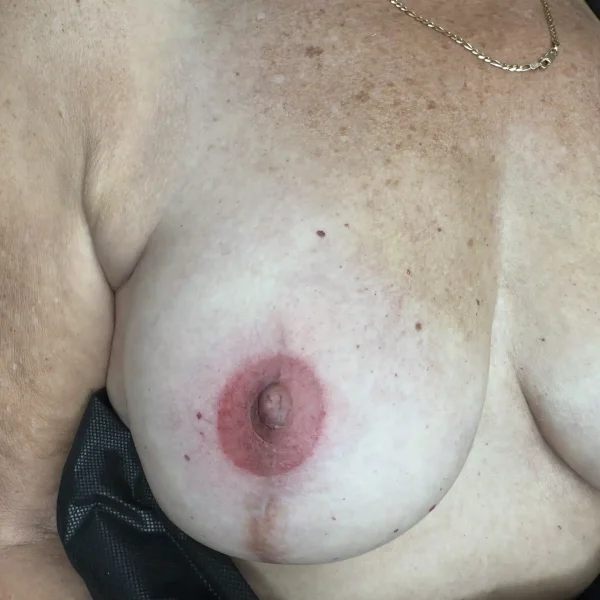

Areola Tattoo Artist
At Face Figurati in Melbourne, I specialise in areola tattooing — a restorative cosmetic tattoo procedure designed to recreate or enhance the appearance of the areola with natural-looking colour, shape, and definition. Every treatment is individually customised to suit your anatomy, skin tone, and personal goals.
I carefully map the area for optimal symmetry, select stable, EU-compliant pigments suited to your undertone, and use precise layering techniques to create soft, realistic results. Sessions are comfort-managed with topical anaesthetic, sterile single-use cartridges, and council-compliant hygiene standards.
You’ll receive realistic timelines, detailed aftercare instructions, and a perfecting visit to refine colour and balance once healing is complete. Whether following breast surgery, reconstruction, or for aesthetic enhancement, areola tattooing can help restore confidence with results that look natural, balanced, and harmonious.


Main Reasons To Visit Us
What Is An Areola Tattoo?
For a lot of people, getting an areola tattoo is the final step in their recovery after breast reconstruction, breast surgery or a big change. Whether you want something super realistic, like a nipple tattoo, a natural-looking areola pigmentation, or advanced scar camouflage, modern paramedical tattooing has the techniques to help you feel more confident and like yourself again. It’s a pretty personal and empowering process.
Studies in reconstructive surgery have shown that people are pretty happy with the results of areola reconstruction and paramedical tattooing, especially when its the final step in their breast reconstruction.
Types of Techniques
Not every areola tattoo is the same – different techniques are needed depending on what happened during your surgery, what your skin is like and what you want to achieve.
During your consultation, I assess your skin condition, healing history, scars, and what you want to get out of it before I can recommend the best course of action.
3D Nipple Tattooing
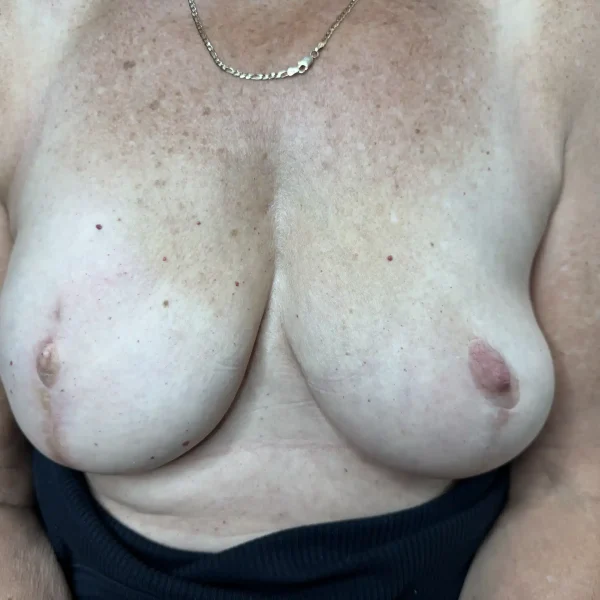
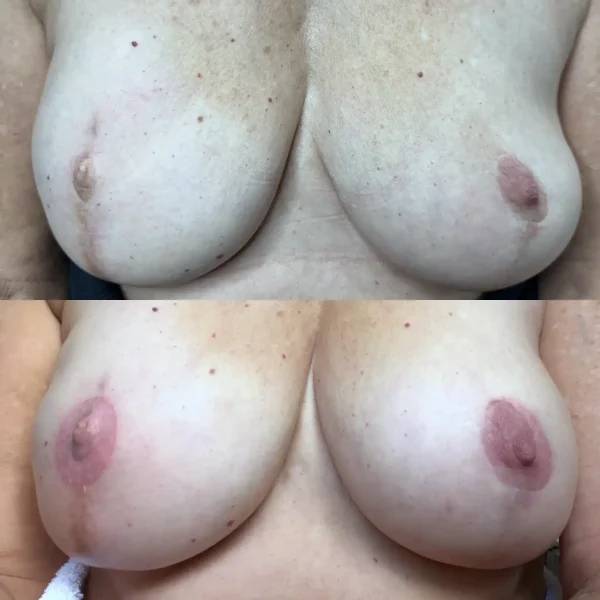
3D nipple tattooing is a super-realistic technique that uses shading, highlights and all sorts of colour placement magic to make the nipple look like it’s sticking out. Its a really popular option for people who’ve had breast reconstruction surgery and are looking to get a natural look without going in for more surgery.
With modern techniques, its possible to make reconstructed breasts look super natural and balanced, which makes a big difference for our clients.
Areola Pigmentation
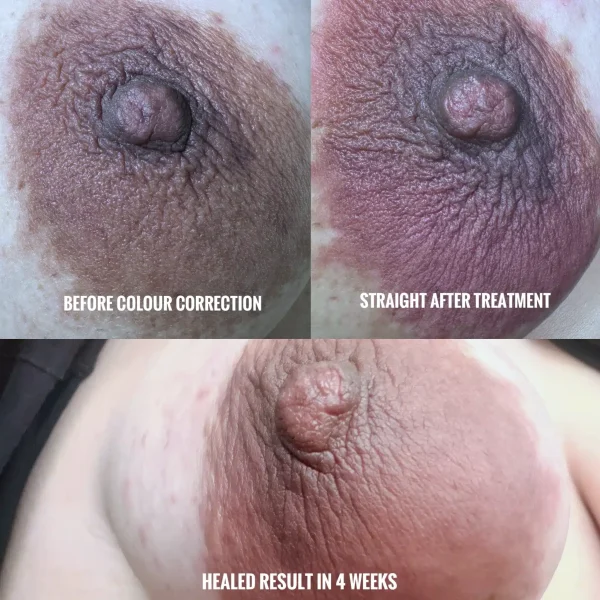
If you’ve lost some of the colour in your areola after surgery, or its got a bit uneven, or even if its just a bit wonky, areola pigmentation might be what you need. This involves using professional hypoallergenic pigment and super-careful colour matching to achieve a result that looks just right with your skin tone.
Scar Camouflage
Sometimes, even when the surgery has healed, your scar can still look pretty obvious. Scar camouflage is a technique that uses careful pigment implantation to soften the appearance of a scar and make it look much better. Its not a miracle cure, but with the right approach, your scar can be much less noticeable.
Benefits
The benefits of an areola tattoo far exceed just how good you look.
Lots of my clients tell me that the treatment does so much more for their confidence and emotional wellbeing than I ever could have imagined. It’s a way to bring closure after all those surgeries, treatments, and recovery periods. For many, it’s the final chapter of their reconstruction journey.
Some of the benefits include:
- More natural-looking reconstructed breasts
- Enhanced symmetry
- Improved body image
- Reduced appearance of scars
- Long-lasting colour restoration
- Personal closure following surgery
- Increased confidence in clothing and swimwear
For people who’ve been through breast cancer treatment, the emotional benefits of an areola tattoo can be just as important as how good your breasts look afterwards.
Who Is a Suitable Candidate?
Every person heals differently, whether they’re seeking paramedical tattooing or fine line tattoo in Melbourne.
People who are usually a good fit for an areola tattoo have had time to recover from breast surgery, breast reconstruction, nipple reconstruction or gender affirming/top surgery. We’ve also got clients with scars they want to hide or an areola that needs recolouring after a procedure.
You May Be Suitable If You Have:
- Fully healed reconstructed breasts
- Completed nipple reconstruction
- Stable surgical scars
- Medical clearance if required
- Good overall skin health
- Realistic expectations
Contraindications
While an areola tattoo is generally safe for most people, there are times when it’s best to hold off.
Contraindications might include:
- Active infection
- Uncontrolled diabetes
- Certain autoimmune disorders
- Pregnancy or breastfeeding
- Recent chemotherapy
- Active cancer treatment
- Open wounds
- Severe skin disorders affecting the treatment area
- Tendency toward keloid scarring
When we first meet, I go over your medical history, how your healing is progressing, and any pre- or post-op photos you have to help determine whether now is the right time for treatment. If I’m still not sure, I might recommend you chat with your doc before booking a tattoo appointment
Preparation
Getting prepared is super important to ensure a successful healing process and to make sure your pigment actually sticks around.
Before we get started, I’d recommend the following:
- Staying hydrated
- Avoiding excessive alcohol
- Avoiding unnecessary sun exposure
- Following surgical recommendations
- Wearing comfortable clothing
In some cases, we might do a patch test to check for any allergies, especially if you know you’re super sensitive to certain things.
Depending on your situation, I may want to discuss using a numbing cream or other topical anesthetics to help ensure you’re as comfortable as possible during treatment.
Procedure
Lots of people show up feeling pretty nervous because they’re just unsure of what’s going to happen. Totally normal – I get nervous too, even after all these years.
Our approach is all about educating you, setting realistic expectations and making sure we’ve got a plan in place before we even start tattooing.
Step 1: Consultation
First things first, we’ve got a chat about what you’re looking for, and what you can expect from the treatment. We’ll have a good old-fashioned planning session to get everything sorted.
We’ll have a look at things like scarring, skin quality, how the pigment is going to look, any previous surgeries you’ve had… basically we want to make sure we understand what we’re working with and get a plan in place that’s tailored just to you.
And yes, in some cases, that might involve doing a patch test just to make sure you don’t have any sensitivity issues.
Step 2: Colour Matching
This is one of the trickier bits of areola tattooing – getting that colour just right so it looks natural, especially when clients ask what is the riskiest tattoo color and how different pigments behave over time..
Most people think of an areola as just one colour, but really they’re all about subtle variations in shade, tone and texture. We use top-notch hypoallergenic inks and semi-permanent tattoo pigment designed specifically for cosmetic tattooing to get that natural look just right.
Step 3: Treatment
On the day of the treatment, I’ll apply some professional numbing products – might be a numbing cream or some topical anesthetics depending on what’s needed.
We’ll get started with the tattooing using some pretty fancy equipment, and I’ll carefully implant the pigment into your skin – it’s all about creating the illusion of depth and dimension without using any physical projections.
The whole thing usually takes anywhere from 1.5 to 3 hours, depending on how complex your procedure is.
Throughout the whole thing, I’m using top-quality hypoallergenic inks, hypoallergenic pigments and the latest techniques to give you the best possible results.
Healing Time
After all the effort, it’s actually pretty straightforward to heal – although everyone’s skin responds a bit differently. You might notice some redness and swelling to begin with, and it might look a bit darker than it will when it’s all settled down.
As you heal up, you might get some light flaking – just don’t pick at it, yeah? By about two to four weeks in, the colour’s usually looking a bit softer and lighter, and it’s only going to get better from there.
It’s pretty common for people to worry that the colour’s looking too light in the early days, but trust me, it’ll settle down and look even more natural in a few weeks.
Aftercare And Recovery
Proper aftercare makes a huge difference in how your skin turns out afterwards. After your treatment, I’ll give you super detailed aftercare instructions that are tailored to your skin and the specific procedure you had.
Some key things to keep in mind with aftercare are:
- You need to keep that area clean and dry.
- Avoid swimming pools, spas and saunas for a while – it’s just better that way.
- Try to avoid getting too hot or sweaty.
- Don’t even think about going out in the direct sun without some protection.
- Don’t pick at that flaky skin, no matter how tempting it is.
- Make sure to follow all the aftercare advice I gave you at your appointment.
Sometimes, I might apply a protective dressing right after treatment – this thing is called a ‘second skin’, and it really helps healing and protects the area.
How Many Sessions Are Required?
Most of my clients need two appointments.
The first one is where I’ll lay down the basics of the design, and the second is where I’ll come back and tweak things as needed once everything has healed.
That second appointment is sometimes called a perfection visit and might include a bit of colour top-up if you need it.
Some people with really tricky scar tissue or complex reconstruction cases may need more than two sessions.
Risks And Considerations
Chances are, you’ve heard about some of the risks associated with tattooing and cosmetic treatments, which is why questions about whether tattoos can lead to health issues often come up before treatment.
They can include:
- Getting an infection (which is pretty rare)
- Having an allergic reaction
- A bit of swelling
- The colour not showing up evenly
- Needing more sessions afterwards
- The colour changing a bit during the healing process (which is one reason some clients later research saline tattoo removal options)
- A bit of a reaction from your scar tissue (which can be a bit unpredictable)
It’s a good idea to be realistic about what you’re expecting.
Results Duration
Most of my clients need two appointments.
The first one is where I’ll lay down the basics of the design, and the second is where I’ll come back and tweak things as needed once everything has healed.
That second appointment is sometimes called a perfection visit and might include a bit of colour top-up if you need it.
Some people with really tricky scar tissue or complex reconstruction cases may need more than two sessions.
How Painful Is the Procedure?
Pain is usually one of the biggest worries people have before treatment.
The truth is, it can vary widely from one person to another.
Some people who’ve had breast reconstruction or nipple reconstruction might not feel much because of the numbness from the surgery. Others might say it feels like mild scratching or a light buzzing feeling.
A few things can affect how much it hurts, such as:
- Any previous surgery you’ve had
- Scar tissue
- How sensitive you are
- How well you can handle pain
- Where the treatment is being done
Most people find that it’s not as bad as they thought it would be, and it’s actually over before they know it.
Safety, Hygiene And Studio Standards
At the end of the day, I’m pretty diligent about putting client safety at the forefront of everything I do.
As a professional tattoo artist specialising in paramedical tattooing, I’m meticulous about adhering to strict hygiene and infection-control protocols to give my clients peace of mind.
My studio’s got some key protocols in place to keep everything spotless, such as:
- Single-use sterile needles
- Medical-grade barrier protection
- Hospital-grade disinfectants
- Professional pigment systems
- Comprehensive consultations
- Client screening procedures
- Detailed aftercare support
In terms of infection control, I’m also up to date on the latest information and best practices, including bloodborne pathogens and safe tattooing techniques. I stay up to date through ongoing education to stay ahead of the game.
I think trust comes from being upfront and honest – if I don’t think you’re ready for treatment or if there’s a risk involved, I’ll tell you. And when it comes to risks, healing, maintenance and expected outcomes, I believe you deserve to know the truth.
Ready To Discuss Your Options?
Choosing an areola tattoo is a big decision, and you shouldn’t feel rushed into anything. Getting the right information and understanding your options is the place to start.
If you’re thinking about areola reconstruction, nipple tattooing, scar camouflage or areola pigmentation, I’d love to chat through your options with you. Book a consultation at Cosmetic Tattoo Melbourne, and we can discuss your goals and figure out whether treatment is right for you.
FAQ
Does scar tissue affect colour retention?
The answer is yes, it can – scar tissue will often absorb and retain pigment differently from the rest of your skin. Some clients may need a follow-up session or two to get the colour just right.
When is the best time to have treatment after surgery?
Most surgeons will tell you to wait until all the surgical sites are fully healed and the scar tissue has matured. That can be a different time for everyone, but it’s usually a few months post-surgery.
Can the colour be matched to my existing areola?
In most cases, yes, it can – I use techniques and products that allow me to get a precise match to your skin tone and existing pigmentation.
What if my tattoo fades unevenly?
Over time, uneven fading can happen for all sorts of reasons – sun exposure, skin type, immune response, etc… But the good news is you can get a top-up session to refresh the colour and get things looking even again.
Can areola tattooing be combined with camouflage?
Yup – many clients choose to combine areola restoration with scar camouflage to give the breast area a more natural look. It’s a great way to get everything looking and feeling its best.