
Cosmetic Tattoo Pigments: What Every Client Needs to Know Before Going Under the Needle
Let’s face it: cosmetic tattooing is more than just picking a pretty colour and hoping for the best. Whether you’re eyeing a soft ombré brow or dreaming of that natural lip blush tint, the pigment we implant into your skin plays a massive role in how your tattoo heals, fades, and looks a year down the track.
And no, not all pigments are created equal. As a cosmetic tattoo artist based in Melbourne since 2016, I’ve seen it all — from greyish brows gone rogue to gorgeous long-lasting colour that still looks fresh after two summers. So, let’s talk cosmetic tattooing pigment: what’s in them, what makes them last, and how we choose the safest, most flattering match for you at Face Figurati.

Pigment types explained (without the jargon)
When I say pigments, I’m talking about the actual colourants that go into your skin during a permanent makeup procedure. These aren’t traditional tattoo ink — they’re formulated specifically for delicate facial features like your brows, lips, and lash line.
Here are the main types of cosmetic pigments:
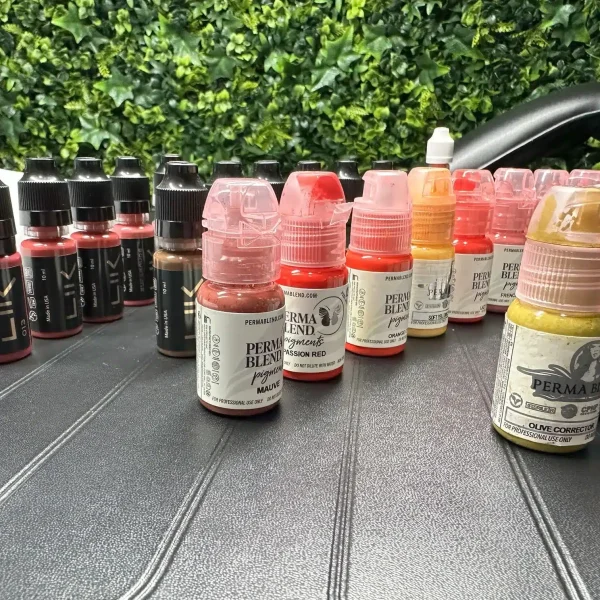

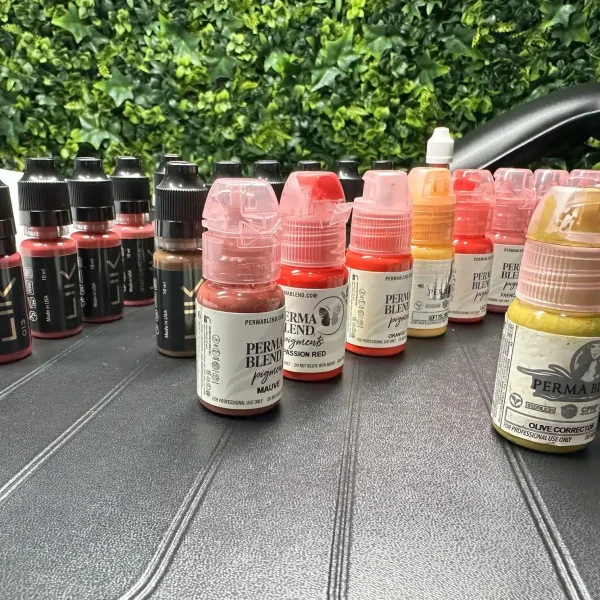
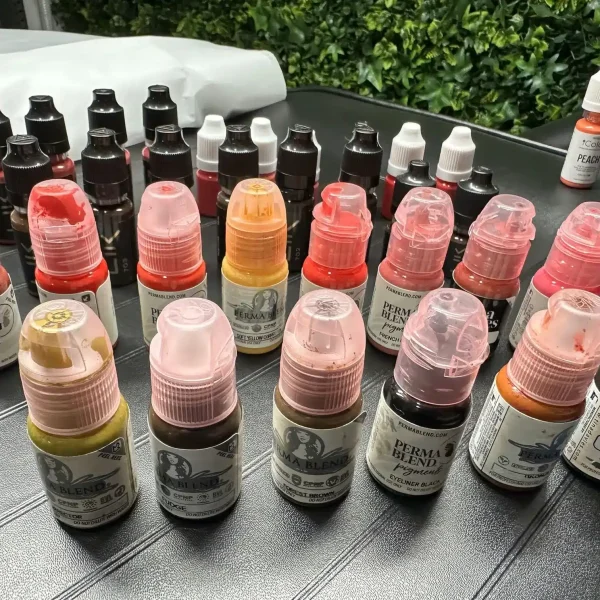
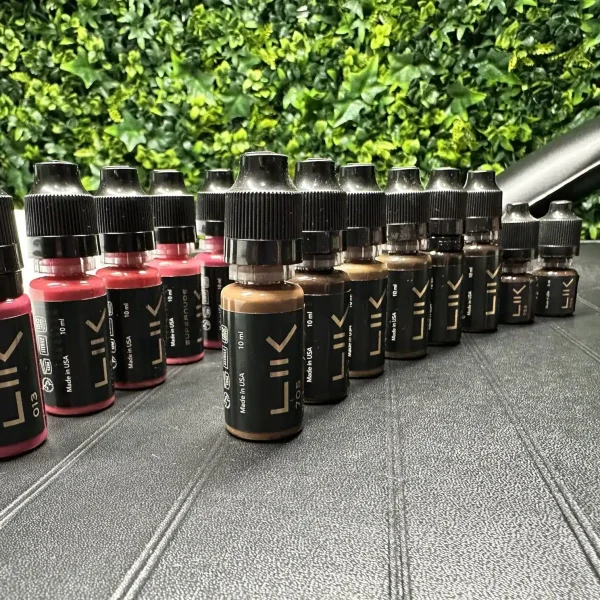


Organic pigments (aka the vibrant ones)
These are made with carbon-based molecules and tend to be:
- Bright and saturated (think vibrant lip pigments and creamy pigments)
- Great for lips or those who want bold results
- Finely milled pigment particles (50 to 300 nanometres)
Pros: Hold colour well, long-lasting results
Cons: Can be trickier to remove if needed, sometimes fade unevenly without correction
Hybrid pigments (my go-to choice for most clients)
A blend of both organic and inorganic compounds. Think the best of both worlds: colour payoff and stability.
At Face Figurati, we use hybrid pigments exclusively — including expertly-crafted brow pigments, hand-crafted pigment blends, and COMPLIANT PIGMENTS. Why? Because they stay true to tone, work well on dry skin and oily skin alike, and are easier to correct or refresh when the time comes.
Inorganic pigments (aka the natural-look favourites)
Usually made from iron oxide pigments and white titanium dioxide.
Pros: Soft, natural colours ideal for brows and permanent eyeliner
Cons: Can shift to cooler tones over time, especially if not chosen correctly for your natural skin tone or cool skin undertones

Why pigment quality matters more than the price tag
I can’t stress this enough: not all pigment brands are created with your skin’s safety in mind. The beauty industry is flooded with HUNDREDS of pigment brands, but only a few meet the regulatory requirements and provide enduring beauty solutions.
We’ve tested dozens, and there’s a clear difference between high-quality pigments and cheap pigment collections from unknown cosmetic tattoo ink manufacturers. The low-grade stuff can lead to degradation of pigments, patchy colour, and client dissatisfaction.
Here’s what we use (and why it matters):
Organic pigments: peculiarities of application
| Brand | Type | Notes |
|---|---|---|
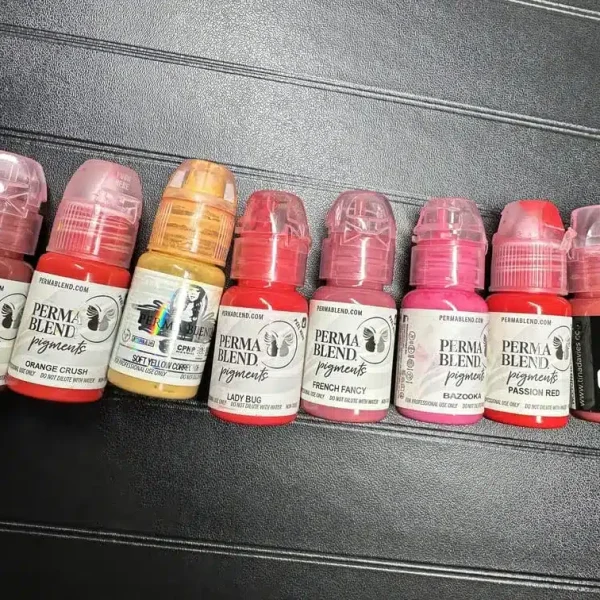
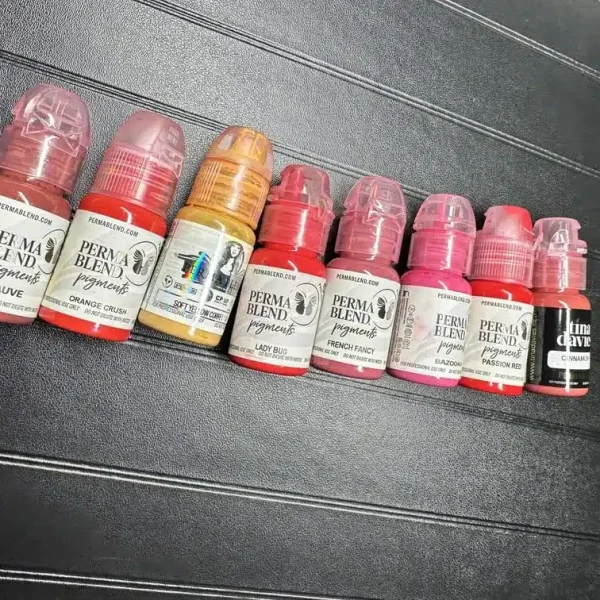
| Perma Blend | Hybrid | Known for vibrant, brighter pigments and stability across skin types |
| Tina Davies | Organic | Gorgeous lip pigments, ideal for warm-toned lips |
| Face Figurati Line | Hybrid | Our in-house formula; customisable for hair color, natural features |
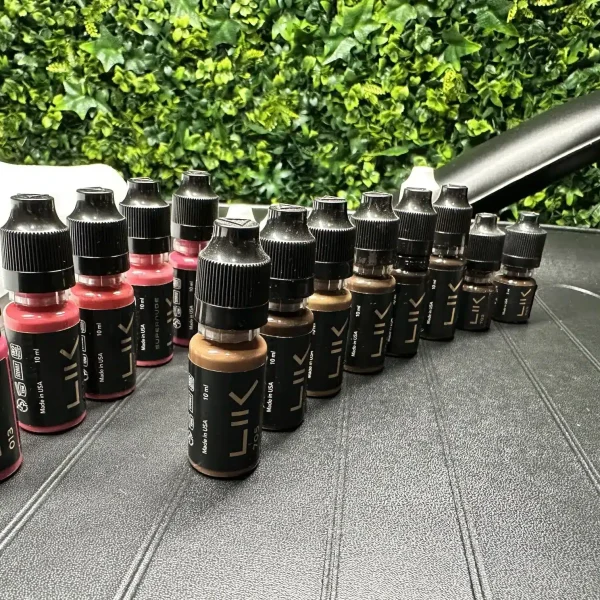
| LI Pigments | Hybrid | Reliable, hypoallergenic pigments with consistent colour retention |
We also trust specialised supplies from Brow Daddy, CHUSE Micro Pigment Semi Permanent Makeup Tattoo Ink Color, and Ink Tattoo Pigment Supplies, and tools like Cosmetic Tattoo Supplies, Luna Beauty Supplies, and Stellar Needle Cartridges with Kwadron Cartridge – Round Shaders and Curved Mag Shaders.

Common pigment myths (and what I actually see in the studio)
Let’s bust a few pigment-related fairy tales:
Myth 1: "Thicker pigment means better colour"
Nope. Cream pigment thickness comes from the filler base, not colour payoff. Creamy pigments made with high-quality formulas (like those used with high-quality PMU machines) deliver better pigment placement and heal more evenly in the outermost layer.
Myth 2: "All black pigments are the same"
Black cream microblading pigments vary a lot. Some use carbon black, which can migrate in the dermal layer. The correct pigment for cosmetic eyeliner tattoo procedures is carefully formulated for depth of exposure and application technique.
Myth 3: "Organic pigments are natural and safer"
Not quite. Even organic-based pigments often include compounds like blue-black titanium salt or azo pigments. Always go with reputable manufacturers using corrector pigments when needed.
Pigment fading: why it happens and what to expect
Fading is natural. It’s how the body reacts to foreign bodies in the skin. But how pigments fade — whether they shift hues over time or simply lighten — depends on:
- Skin type (e.g., oily skin fades faster)
- Analysis of skin undertones
- Effects of sun exposure and excessive sun exposure
- Application process and daily application
- The formula of PMU pigments and cosmetic colour pigments used
Use SPF daily and avoid harsh skincare products to preserve those beautiful, consistent, and long-lasting brows.


Pigment safety: what to look for on the label
Every pigment we use at Face Figurati meets the gold standard:
- ISO 13485:2016 COMPLIANT PIGMENTS
- Ingredient transparency with CI codes like iron oxide black (CI 77499)
- No nasties from dodgy body art inks or body paint colour tattoo stock
If the label doesn’t disclose the ingredients or buying options seem too good to be true? Don’t risk it.
How to distinguish organic from inorganic pigments
To find the right match, focus on the codes of dyes on the packaging. Inorganic pigments for permanent lip makeup will always begin with the number 77:
- Yellow iron oxide (77492)
- Black iron oxide (77499)
- Red iron oxide (77491)
- Orange iron oxide (77489)
- White titanium dioxide (77891)

Iron Oxide Red
The non-toxic colouring compound has a wide range of shades, from ochre to reddish-brown. Pigments based on iron oxide are highly resistant, create natural-looking images, and are suitable for any tattooing technique.
Carbon black
A rich black colour used for tattooing eyebrows, eyelids, and “inter eyelashes.” Pure carbon is included in organic and hybrid dyes and has proven safe for health and environmentally friendly products.
Titanium dioxide
Without titanium dioxide, no paint (except black) is created. The pigments for permanent eyebrow makeup based on this element are characterized by excellent covering power, and titanium dioxide increases their optical density. You can read more about titanium dioxide on our blog on Instagram.
Melbourne skin, seasons and pigment choices
With Melbourne’s unpredictable climate, faster skin healing depends on pigment selection and correct pigment application.
In winter: I use warmer blends like Blend – Darkest Brown or Blend – Tina Davies.
In summer: I avoid exposure to UV light post-procedure and may shift to formulas like BLEND – PLUM EYELINER or GirlPerma Blend – Bad GirlRegular.


What pigments we use at Face Figurati (and why)
With years of hands-on experience and feedback from experienced brow artists and my clients, we’ve refined our collection of cosmetic lip tattoo pigments and eyebrow tattooing pigments.
From artistry in pigment placement to knowing which cosmetic tattooists love what, we’ve built our Pigment Collection around what works best for expert brow services and client safety.
Final thoughts: pigment choice is not just a colour decision
From direct application technique to selecting the right pigment particles, permanent makeup pigments are a serious commitment. I’ve seen the integrity over time in our results at Face Figurati — no gimmicks, just high-quality services using the right tools and pigments.
Whether you’re exploring cosmetic tattoo for the first time or are a seasoned client of a famed PMU artist, choosing the right pigment — and the right PMU artist — makes all the difference.

Still unsure what pigment is right for your skin and style? Pop into Face Figurati in Melbourne and let’s chat. I’ll walk you through pigment swatches, healing timeline
FAQ
What is the best cosmetic tattoo ink?
The pigment is 100% organic and includes many natural ingredients, which is why it is considered one of the safest options for permanent makeup. The pigment’s formula includes titanium dioxide and sunscreen formula to help reduce discolouration caused by UV light.
What is the difference between cosmetic tattoo ink and tattoo ink?
Most cosmetic tattoo ink manufacturers use a mixture of both, but do not use traditional tattoo ink. Traditional tattoo ink is known for its boldness and brightness, while cosmetic tattoo ink is called pigments and has softer tertiary colours.
What pigments are used in tattoo ink?
Several different classes of organic pigments are used in tattoo inks and PMU’s, including azo pigments, polycyclic pigments, and phthalocyanine pigments. The commonly used black pigment is a major source of carcinogenic PAHs. Its purity depends on the source and production process.
Can pigment colour be changed after tattooing?
Yes, with the help of corrector pigments and the right application process, we can adjust unwanted tones.
Are cosmetic tattoo pigments safe?
We only use pigments tested for safety, sourced from industry-leading permanent makeup pigments brands, including those with strong track records in client satisfaction.
Why did my old brow tattoo turn grey?
Likely a case of incorrect pigment or poor analysis of skin undertones. Often caused by iron oxide pigments without balancing undertones.
Do different skin tones need different pigments?
Absolutely. Choosing the correct pigment for each client depends on an analysis of skin undertones, melanin levels, and facial features.