
Full Sleeve Tattoo Removal | Is it Possible?
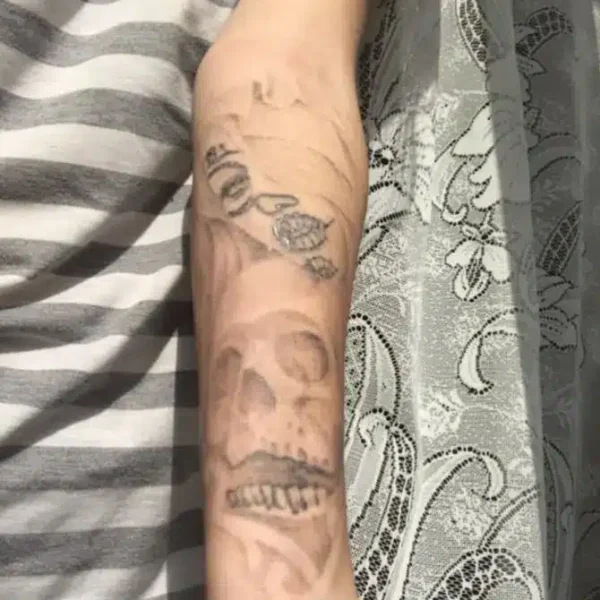
For some people, the desire to remove a full sleeve tattoo may stem from a change in career aspirations, a shift in personal beliefs, or simply a change in taste. With the help of professional tattoo sleeve removal specialists, it is possible to remove your ink! It’s extremely important to weigh the pros and cons and consult with a professional to ensure that this is the right decision for you. Don’t hesitate to reach out for help; we are here for you.

Price
-
Full Sleeve Tattoo Removal $450
Duration 60 minutes
-
Full Sleeve Tattoo Removal x 5 Session $1800
Duration 60 minutes
-
Full Sleeve Tattoo Removal x 10 Session $3400
Duration 60 minutes
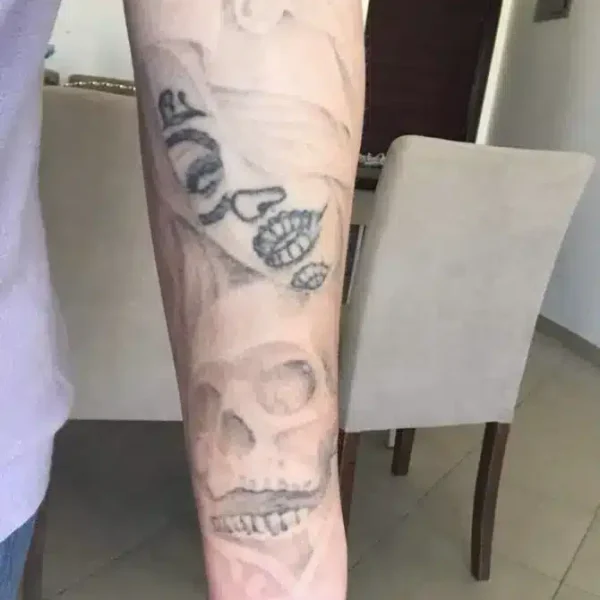
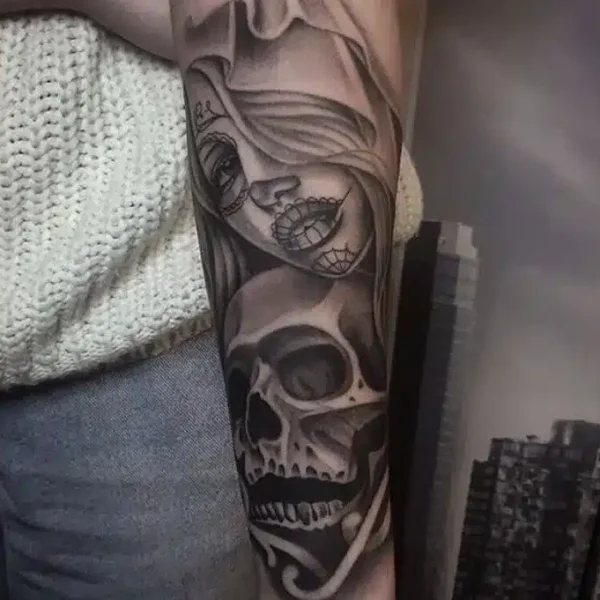
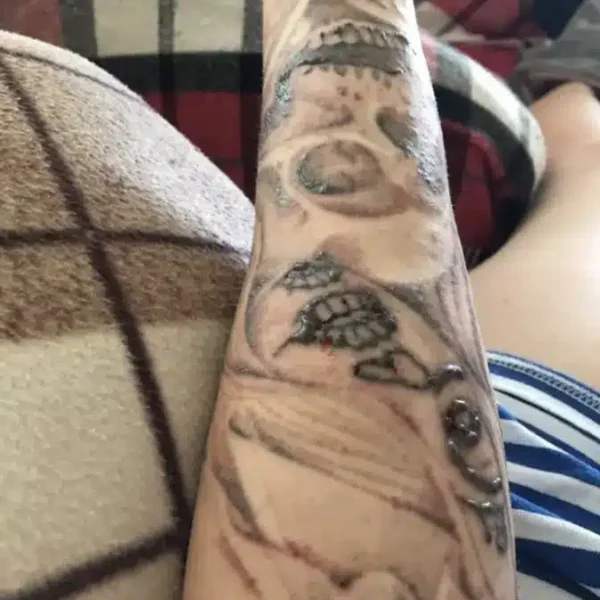
Main Reasons To Visit Us

Sleeve Tattoo Removal Expert


Removing a Full-Sleeve Tattoo: An In-Depth Look
The cover-up procedure is a common way of hiding an existing tattoo by applying a new design over it. However, in some cases, the old tattoo may still be visible, even after the cover-up. To ensure the new tattoo looks its best, it is sometimes necessary to lighten the old one first.
One of the benefits of lightening a tattoo before a cover-up is that it increases the chances of the new design looking seamless and professional. This can be done by using laser tattoo removal sessions to fade the old tattoo. Only after the old tattoo is lightened, can the new tattoo be applied on top. This way, the new tattoo is more likely to be vibrant, and the old tattoo will not show through.
What About Covering My Old Tattoos?
Covering up an old tattoo is a common option, but the original ink may still show through. To achieve the best results, it’s often recommended to lighten the existing tattoo first using laser tattoo removal. Fading the old design provides a cleaner canvas, allowing the new tattoo to appear more vibrant and professional. Consulting with a removal specialist before proceeding ensures you get the right approach for your skin and tattoo.
How Many Laser Sessions Does It Take to Remove a Sleeve Tattoo?
Removing a sleeve tattoo typically requires multiple laser sessions. The exact number of sessions needed to completely remove a tattoo can vary greatly depending on a number of factors, such as:
- The size and complexity of the tattoo
- The quality of the ink used
- Colour of the tattoo
- Location or placement of the tattoo
- The individual’s skin type and healing ability
- Age of the tattoo
With laser tattoo removal sleeve tattoo sizes will be considered. Larger tattoos typically require more sessions than smaller tattoos. Despite this, laser tattoo removal sleeve can still be highly effective for sleeve tattoos of all sizes.
Tattoos with darker ink or that are more recent may also require more treatments. To get an accurate idea of how many treatments your tattoo will require, it’s best to consult with a professional tattoo removal specialist. They will take into account the size, colour and age of the tattoo, as well as your individual skin type and
Is Removing a Large Sleeve Tattoo Painful?
Similar to getting a tattoo, the sensation can be described as a burning pain. The larger the tattoo and the darker the ink, the more painful it may be. Local anesthesia can help manage the pain.
Tattoo laser removal can be particularly painful on bony areas such as the wrist, as opposed to softer, more padded areas. Clients have described the sensation as similar to a rubber band snapping against the skin. Again, keep in mind that pain tolerance levels can vary from person to person, so what may be painful for one person may not be for another.
Is Scarring a Possibility ?
Properly done sleeve tattoo removal should not leave any scarring. However, it is important to choose a reputable facility and professional to ensure the best possible results.
Proper aftercare, such as avoiding sun exposure for three days and keeping the area clean and dry, is crucial in preventing further damage and promoting rapid skin recovery. This will help to minimise the risk of scarring.
What Happens to the Skin After a Laser Session?
After a laser tattoo removal session for sleeve removal, tattoo will not instantly disappear. It is common for the treated area to appear white and chalky. This is a normal reaction caused by the skin releasing carbon dioxide and is a natural part of the healing process. This reaction should subside within the next hour after the treatment.
The treated area will appear red, swollen, and feel sensitive to the touch. The sensation is often described as similar to a sunburn. While this may feel uncomfortable, it is a sign that the body is responding and healing properly.
Conclusion
Technology has advanced to the point that getting a full-sleeve tattoo removed is a simple procedure. But, it is essential to choose a top-notch removal salon run by professionals in order for you to achieve the best and safest outcome possible.
Full Sleeve Tattoo Removal is Achievable
Areas of the body that are constantly in motion, such as the arms, typically have good circulation and muscle tone, which helps in the process of removing tattoos. The constant flow of oxygen to the skin cells helps to break down the applied pigmentation. However, factors such as health issues that may slow down circulation and BMI can also affect the success of tattoo removal.
So, can sleeve tattoos actually be removed? In most cases, yes. With advancements in technology, getting a full-sleeve tattoo removed has become a simple procedure. However, it is essential to choose a reputable sleeve removal clinic run by professionals to achieve the best and safest outcome possible.
FAQ
What exactly is “sleeve tattoo removal” at Face Figurati?
It’s a staged laser plan to fade or fully clear a full-arm (or leg) sleeve. I assess ink colours, density, placement and your skin type, then map a safe sequence of sessions. We can target the whole sleeve or just sections to create negative space for a new design.
How many sessions will I need?
Accordion Content
How long between sessions?
Allow 8–10 weeks (minimum 6) so your lymphatic system can clear fragmented pigment and your skin can fully recover. Spacing sessions properly usually improves results and reduces risk.
Does it hurt?
Expect hot, elastic-band “snaps”. I use strong cooling and a gentle, methodical pace; most clients manage just fine. If you’re very sensitive, we can discuss pharmacist-grade topical numbing (use only as directed by your GP).
Can all colours be removed?
Black and dark blue usually respond best. Red/orange often clear well. Green/teal can be slow but improve with the right wavelength. Yellow/white are the most stubborn and may leave a faint “ghost” even after many sessions.
Will laser removal scar my skin?
True scarring is rare when settings and aftercare are correct. Normal reactions include whitening (frosting), redness, mild swelling, pinpoint bleeding, blisters and scabs. Picking, sunburn, infection and too-frequent sessions increase risk—so aftercare is everything.
Is it safe for darker skin tones?
Yes—with conservative settings, appropriate wavelengths (often 1064 nm for early work), longer intervals and strict sun-avoidance. Darker skin can be more prone to temporary pigment changes (PIH/PIHypo), which we work to minimise with a careful plan.
Can you treat a whole sleeve in one go?
Often we stage a sleeve into zones so skin can heal well and you can function comfortably. Treating smaller sections per visit can reduce swelling and make aftercare easier.
What if I just want to reshape parts of my sleeve?
No problem. Spot-removal and negative-space work are common—great for cleaning edges, removing names/dates or opening areas for new art.
How long does each session take?
Depending on the zone, 15–45 minutes of actual lasering is typical, plus time for cooling and aftercare. Full sleeves are usually split into multiple passes across separate appointments.
What does it cost?
Pricing depends on area size, ink density, colours and your goal (full clear vs fade). Sleeves are usually priced per zone/per session with package options; I’ll give you a firm quote after an in-person assessment.
How should I prepare?
No sun or solarium for 2–4 weeks; no fake tan for 10–14 days.
Shave the area 24 h prior; arrive with clean, product-free skin.
Hydrate well, eat beforehand, avoid alcohol for 24 h.
Check photosensitising meds with your GP; never stop a prescription without medical advice.
What’s the aftercare?
- Cool the area intermittently on day one; keep clean and dry.
- Use the non-stick dressing/ointment I recommend; don’t pop blisters.
- No pools, spas, saunas, or ocean while healing; avoid tight clothing/rubbing.
- Strict sun avoidance + SPF after re-epithelialisation.
- If you see signs of infection (increasing pain, heat, pus, red streaks, fever), contact me and your GP promptly.
When can I work out, swim or use a sauna?
Light movement is fine, but avoid heavy sweating for 24–48 h and no swimming/sauna/steam until the skin has fully closed and flaking/blisters resolve.
Can I remove a sleeve with one super-strong session?
No. Aggressive settings increase risks (burns, scarring, pigment changes) without guaranteeing faster clearance. Multiple, well-spaced sessions are safer and usually more effective.
How long does full removal take, start to finish?
Plan on 12–24 months for a typical sleeve, depending on your immune response, colours, ink load, and how consistently you keep your intervals and aftercare.
Will the ink “enter my bloodstream”?
Laser breaks pigment into much smaller particles that your immune system gradually clears via lymphatic pathways. This process is normal and ongoing between sessions.
Who isn’t a candidate?
I don’t treat during pregnancy. Caution/medical clearance is needed for breastfeeding, keloid history, active skin infections, uncontrolled medical conditions, recent isotretinoin use, and certain photosensitising medications. We’ll discuss your history at consult.