
Eyeliner Tattoo Removal in Melbourne
Are you thinking of removing your eyeliner tattoo? If the tattoo has faded or is no longer the aesthetic you desire, you don’t have to stick with it. Cosmetic Tattoo Melbourne studio Face Figurati offers safe, professional, and reliable eyeliner tattoo removal services. Our laser treatments will help remove unwanted tattoos, providing a clean and natural look.
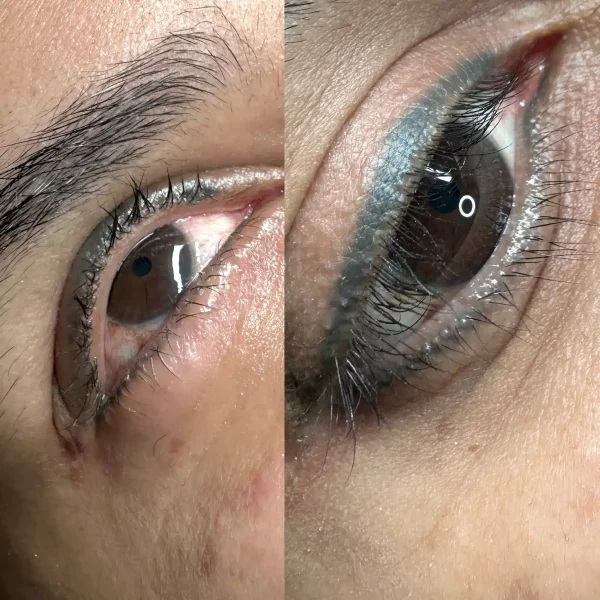
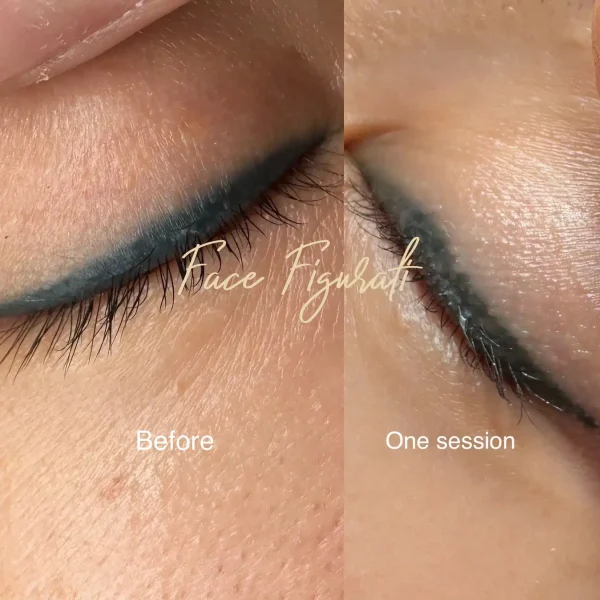
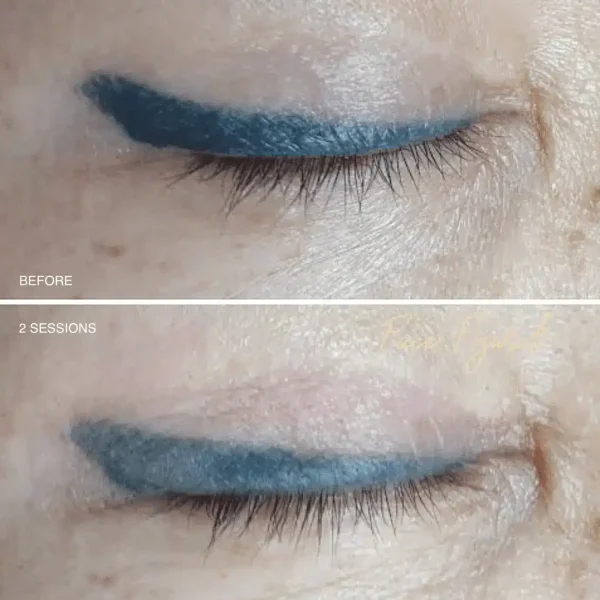
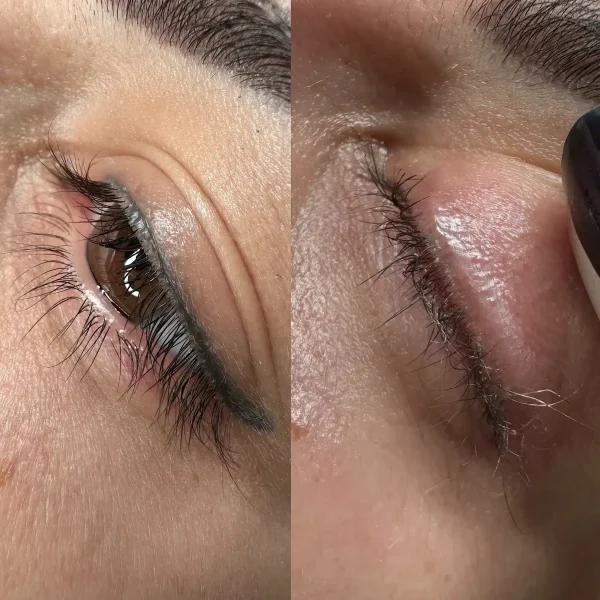
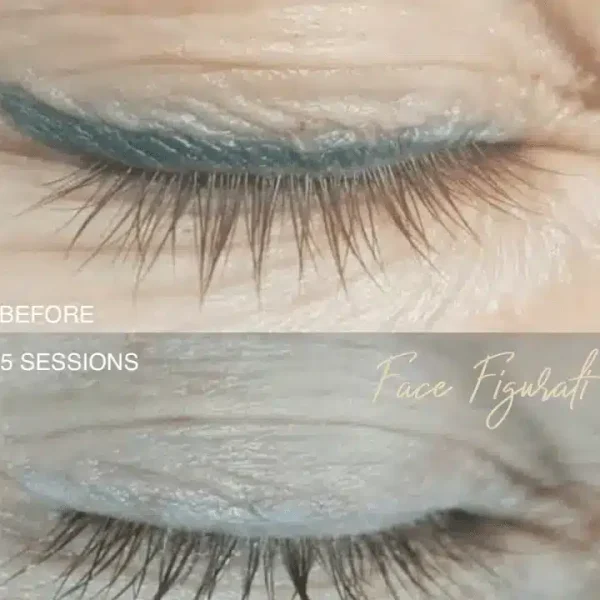
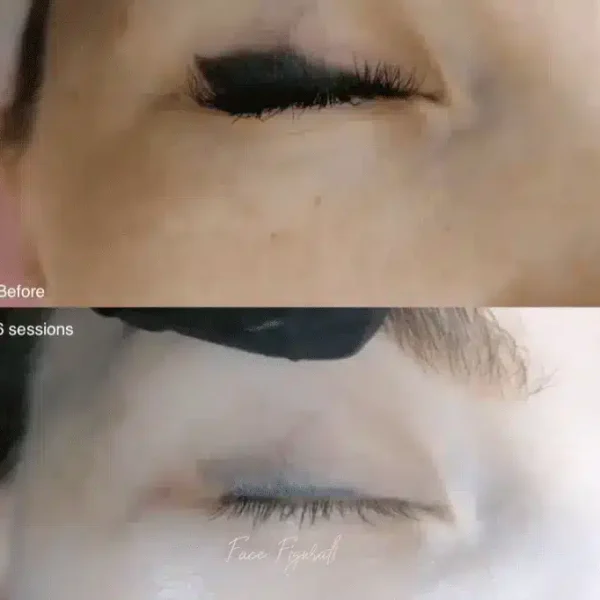
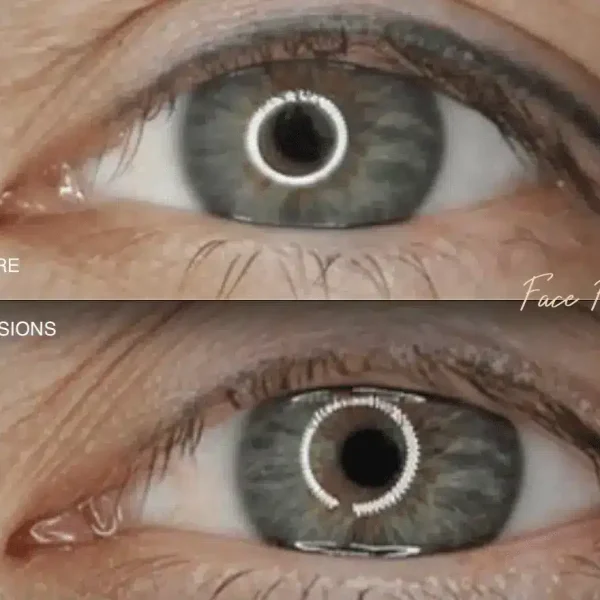
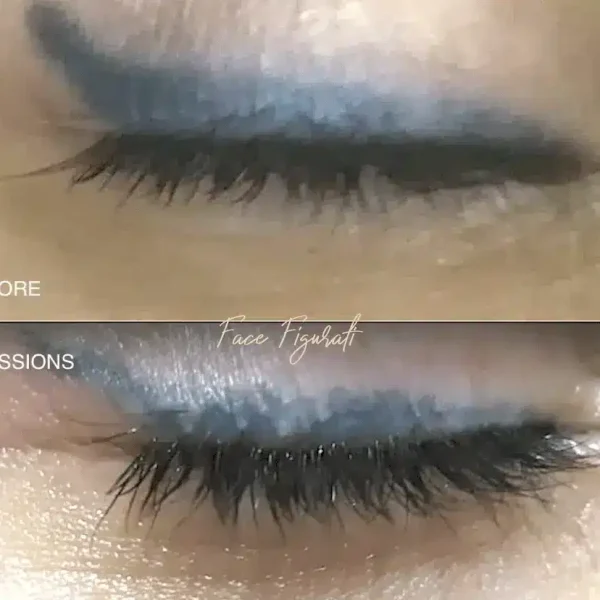
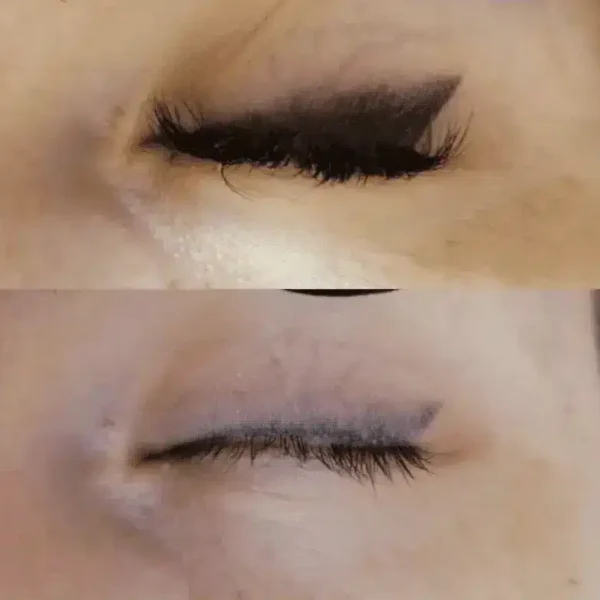
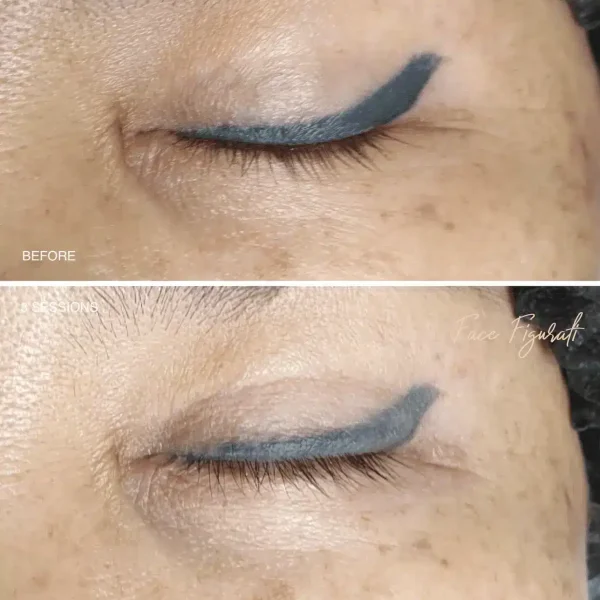
Yes, eyeliner tattoos can be removed. At Face Figurati I lighten or fully clear permanent eyeliner above the lash line with a Q-switched Nd:YAG laser, using sterile internal eye shields to protect the eyes, or with saline for small tails and pigments that may oxidise. I don’t treat the waterline. Most eyeliner needs 2–6 sessions spaced 8–10 weeks apart; mild swelling lasts 24–48 hours.
Say goodbye to unwanted eyeliner tattoos with Face Figurati Studio! Our experienced professionals will provide you with a safe and reliable removal service. Contact us today for your free consultation!

Price
-
Laser Eyeliner Tattoo removal from $199
duration 45 minutes
-
Saline Eyeliner Tattoo removal $250
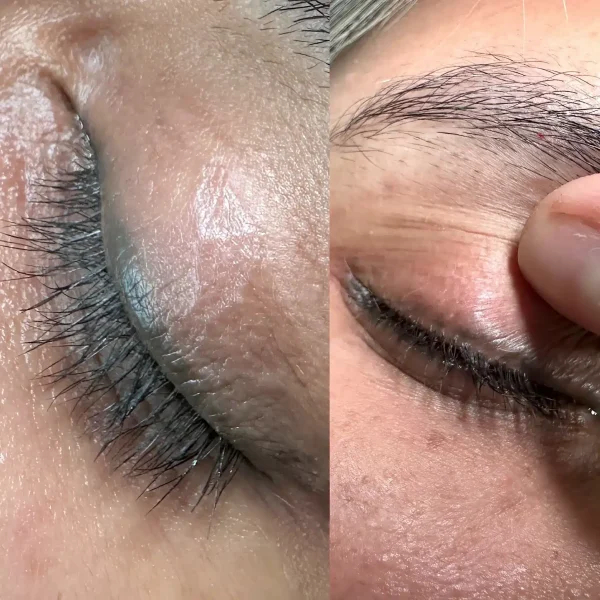
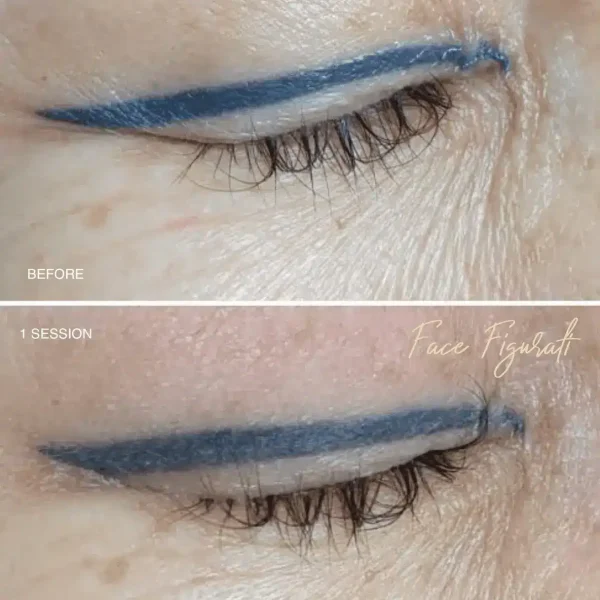
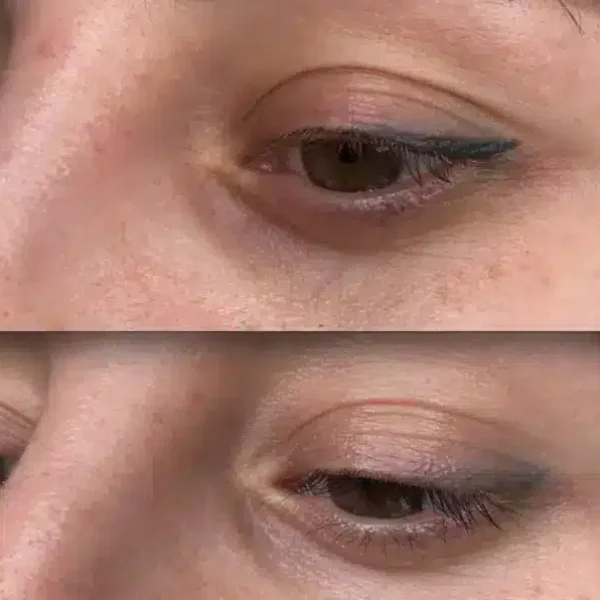
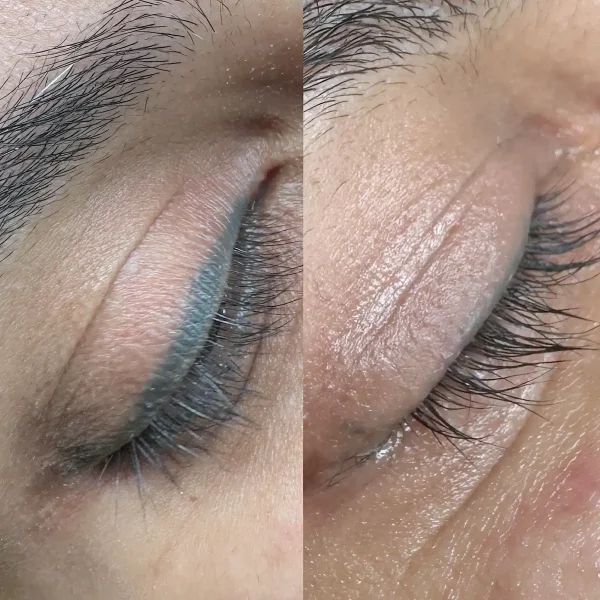
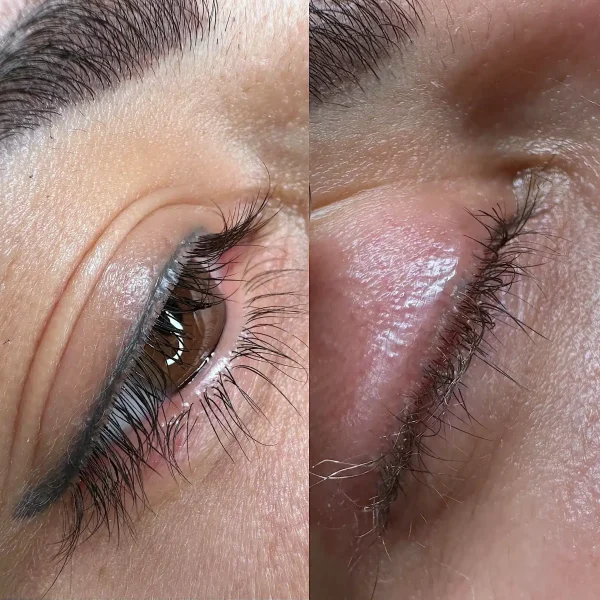
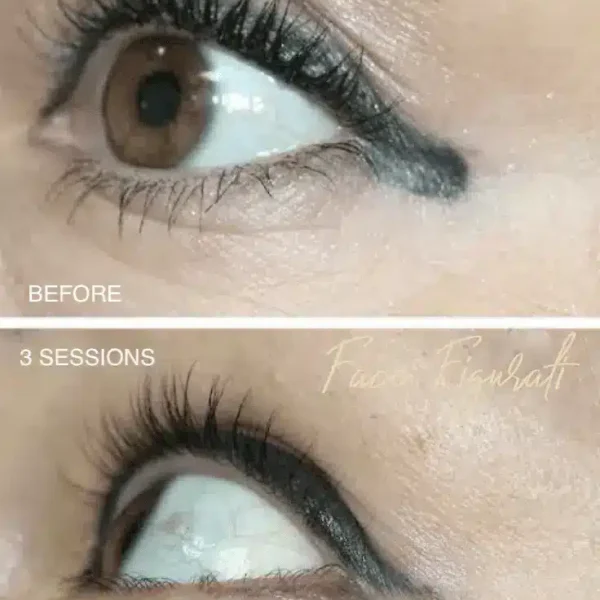
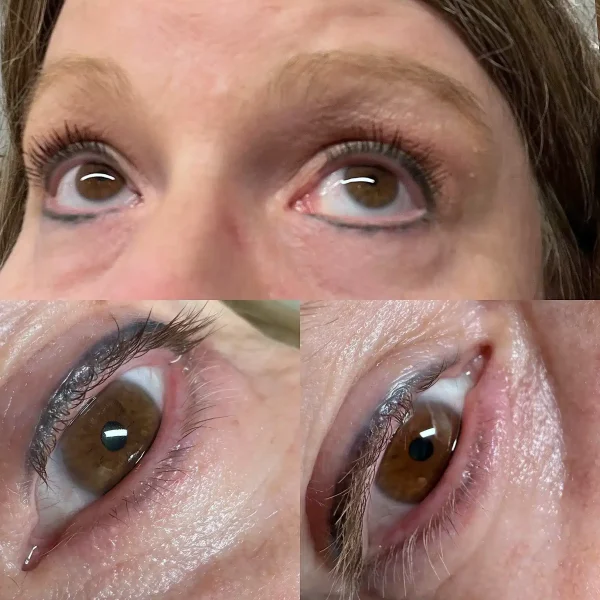
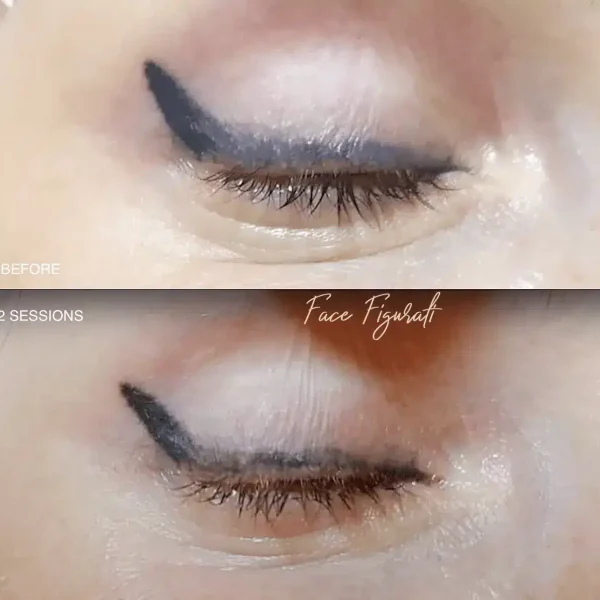
Main Reasons To Visit Us


Can eyeliner tattoos be removed?
The eyes are such a delicate part of your body. No wonder many people are hesitant to have their eyeliner tattoos removed. But is it possible to erase your permanent eyeliner makeup?
Yes — including liner that has spread or turned blue over time, and understanding why pigment migrates helps us plan the sessions.
Yes, eyeliner tattoos can be safely removed! Laser treatments have become a popular and effective method for removing unwanted eyeliner tattoos.
The laser targets the pigment in the tattoo, breaking it down into smaller particles that the body’s natural processes can absorb. Over time, the tattoo will fade, and in many cases, it can be removed entirely.
It’s understandable to have concerns about the safety of permanent makeup removal. This is why it’s essential to choose a qualified professional with experience in eyeliner tattoo removal who can ensure the procedure’s safety.
While there is always some degree of risk involved in any medical procedure, tattoo makeup removal is generally considered safe when performed in a reputable clinic. Trusted professionals will take steps to minimise discomfort and reduce the risk of scarring or other side effects.
If you’re considering this procedure, we recommend consulting with a qualified professional to discuss your options. With the right approach and aftercare, it’s possible to safely and effectively remove unwanted eyeliner tattoos.
Is laser eyeliner tattoo removal right for you?
If you’re looking to remove an eyeliner tattoo, laser removal may be the perfect solution. It’s a safe and effective way of getting rid of unwanted tattoos with minimal discomfort or downtime. Plus, it can help you achieve natural-looking results that last.
Many clients replace a heavy old liner with a soft lash line enhancement once the skin has healed.
We know that eyeliner tattoos are a form of body art that can be difficult to remove. It is crucial that you not try to remove them at home. For your own safety, get the help of a professional! If you have any questions or concerns, book a consultation at Face Figurati Melbourne today!
Are there any risks?
While eyeliner tattoo removal via laser is generally considered safe, there are some risks to be aware of. Some common symptoms that may appear after the procedure include tissue swelling and burns, painful sensations, allergic reactions, skin redness, and uneven dye excretion. In rare cases, skin scarring or visual impairment can occur.
We cannot stress the importance of selecting a qualified professional at a reputable clinic in Melbourne enough. Choose one with experience in permanent makeup removal and can ensure the procedure’s safety.
For instance, laser tattoo removal techniques can lead to depigmentation. This is a phenomenon in which melanin, the substance responsible for natural skin pigmentation, is eliminated with the dye. This can result in pale areas of skin on the eyelids that do not subsequently tan. However, this risk can be minimised by choosing a qualified professional and following their aftercare instructions.
We recommend consulting with a qualified professional to discuss your options and develop a personalised plan that suits your needs.
How eyeliner tattoo removal works at our studio
Every eyeliner tattoo removal at our studio follows the same four steps:
- Assessment. We check the pigment colour and depth, and whether the liner has migrated or turned blue.
- Eye protection. Sterile internal eye shields are placed to protect the cornea and retina.
- Laser passes. Short Q-switched Nd:YAG passes along the lash line only — never the waterline; the skin frosts white for a few minutes. Tails and pigments that may oxidise are treated with saline tattoo removal instead.
- Cooling and aftercare. Mild swelling lasts 24–48 hours; keep the area clean, dry and makeup-free.
Remove lash extensions at least 48 hours before the session and avoid contact lenses for 24–48 hours after. Most permanent eyeliner removal takes 2–6 sessions spaced 8–10 weeks apart.
FAQ
Can eyeliner tattoos actually be removed?
Yes. I remove and lighten eyeliner tattoos safely using precise techniques suited to the delicate eyelid skin. Depending on pigment and placement, we may use laser, saline, or a staged plan that blends both.
Is it safe to laser near the eyes?
Safety is non-negotiable. I use medical eye protection (sterile intra-ocular shields) and strict protocols to protect the cornea and retina. You’ll feel slight pressure from the shields, but the eyes themselves are protected throughout.
Do you treat the waterline (wet line)?
No — we don’t laser or saline the waterline. I work above the lash line only and only where it’s safe to do so. If the pigment sits on the wet line, we’ll discuss conservative options and realistic expectations.
Laser vs saline — which method is right for eyeliner?
Laser is efficient for most dark cosmetic pigments. Saline is great for tiny edge clean-ups, tails, or when a pigment is likely to oxidise with laser (e.g., white/skin-tone mixes). I’ll choose the method per eye and per zone after assessment.
How many sessions will I need?
Most eyeliner tattoos need 2–6+ sessions, spaced 8–10 weeks apart. Dense saturation, older work, and colours mixed with white can extend the timeline. I adjust settings gradually to protect the thin eyelid skin.
Will the pigment darken first?
Sometimes. Inks containing titanium dioxide can temporarily turn grey/black after initial laser exposure (oxidation). This is expected and usually resolves with follow-up passes.
Does eyeliner removal hurt?
Clients describe a quick, hot “snap.” I use cooling and brisk, efficient passes. Because the skin is thin, mild swelling is normal for 24–48 hours.
What should I do before the appointment?
Remove lash extensions at least 48 hours before treatment, avoid lash growth serums for 7 days, arrive without eye makeup, and don’t wear contact lenses on the day (bring glasses). Avoid sun exposure and self-tan around the eye area.
Any aftercare tips for the eyes?
Keep the area clean, dry and makeup-free for several days. Avoid rubbing, saunas, heavy workouts and pools until the skin is intact. Replace old mascara/eyeliner with a fresh one when you resume makeup to reduce bacteria risk.
Can I wear contacts after treatment?
Remove contacts before the session and avoid wearing them for 24–48 hours afterwards to reduce irritation while the lids settle.
Is it safe for sensitive eyes or darker skin tones?
Yes — with careful parameter choices. I use conservative fluences, larger spot sizes and longer intervals if you’re prone to irritation or pigment change, and I can patch-test first if you’re unsure.
Can you just lighten my liner for a softer look rather than fully remove it?
Absolutely. Strategic lightening is common. I’ll focus on heavy segments (e.g., tails or thick mid-sections) so your liner heals softer and more natural.
How are sessions structured and how long do they take?
Most visits are 20–40 minutes including prep, eye protection and treatment. I work in measured passes and stop once the skin has had the ideal dose for that session.