

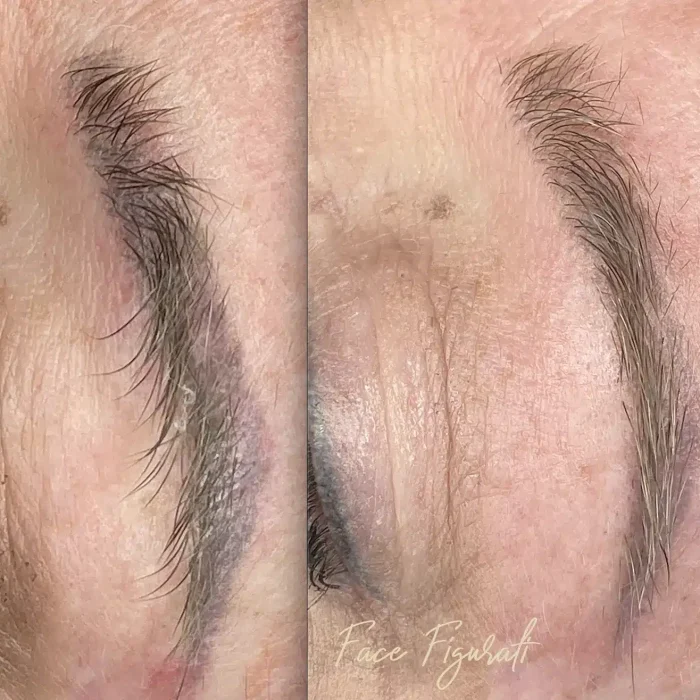
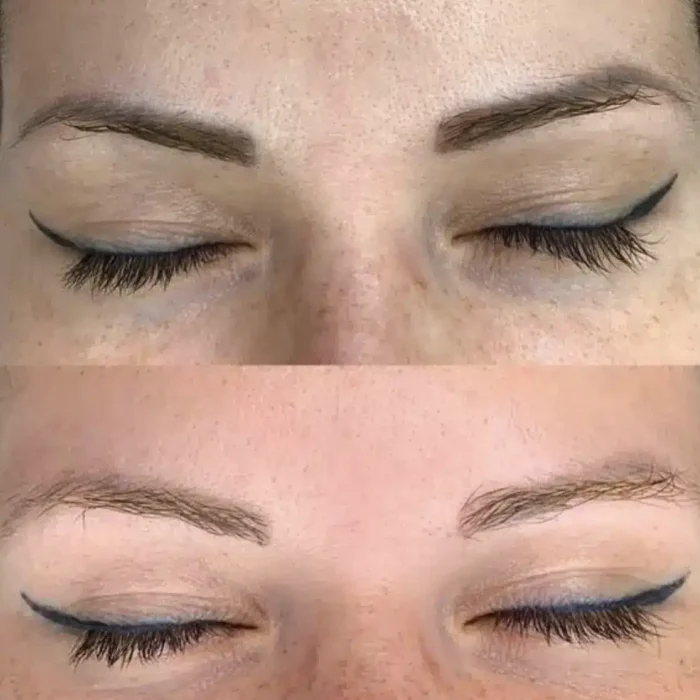
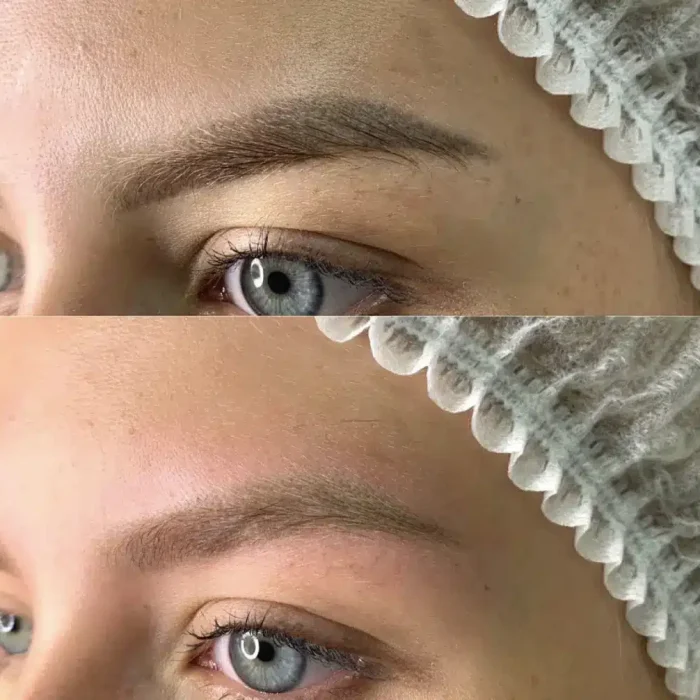
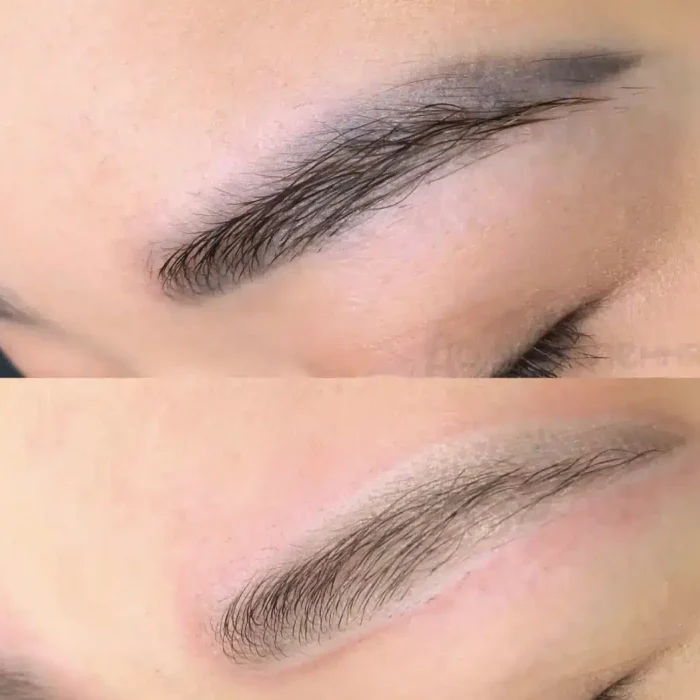
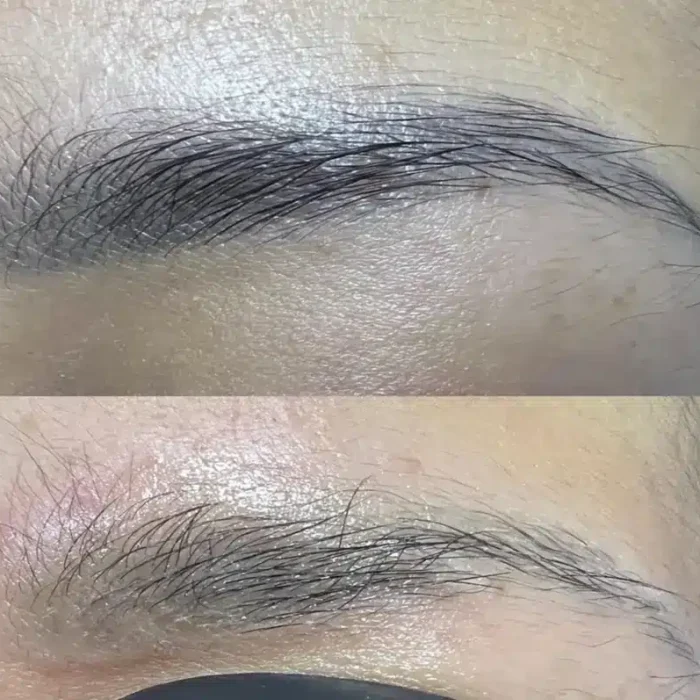
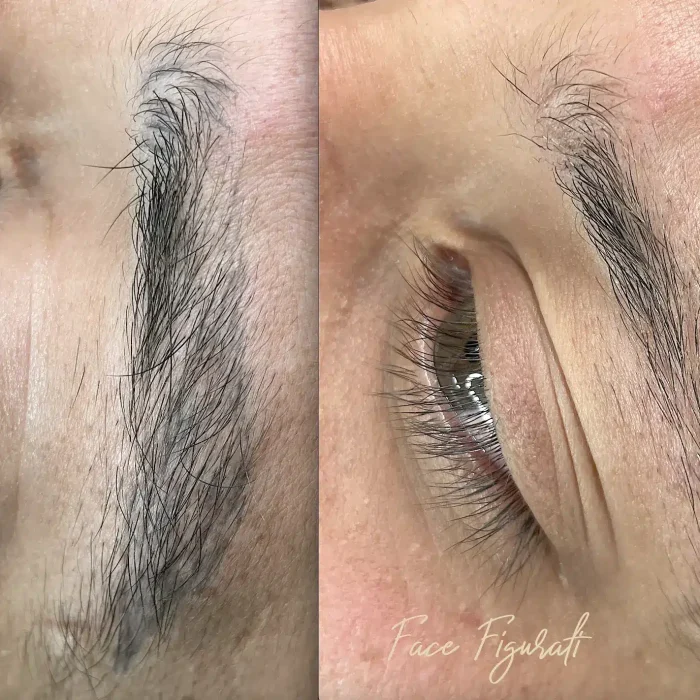
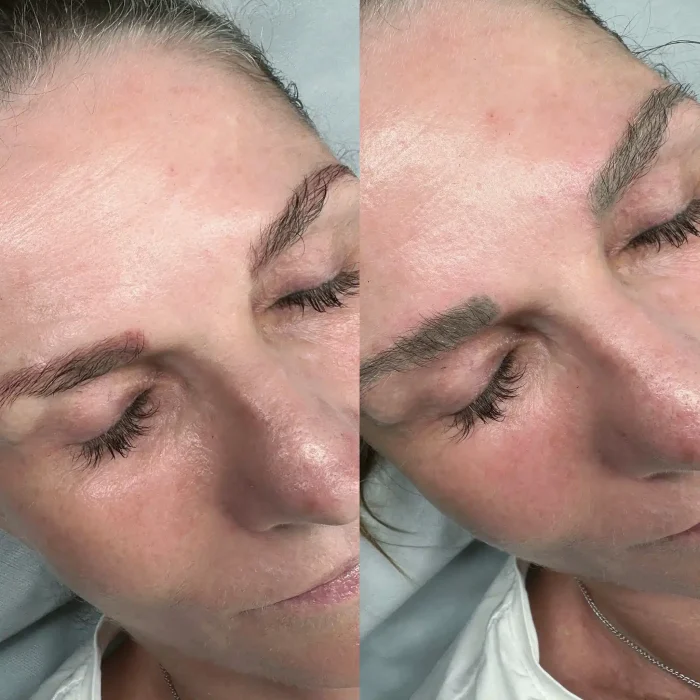
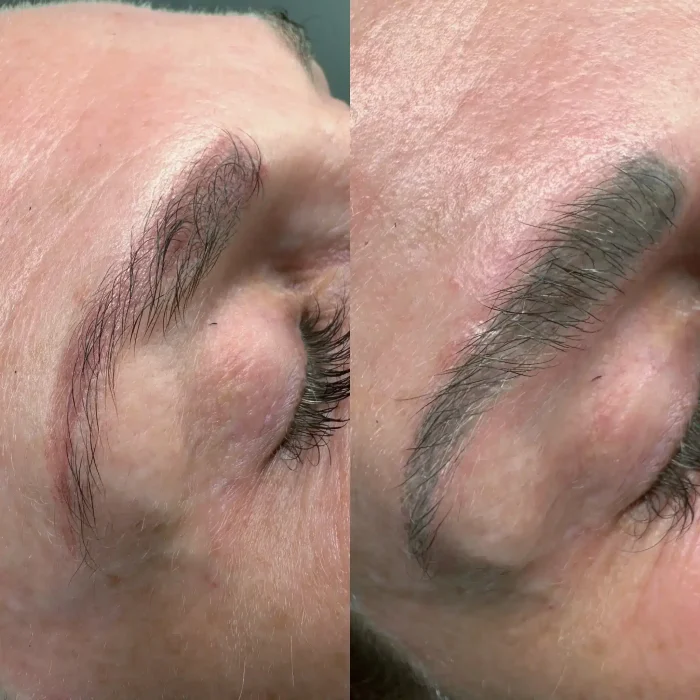
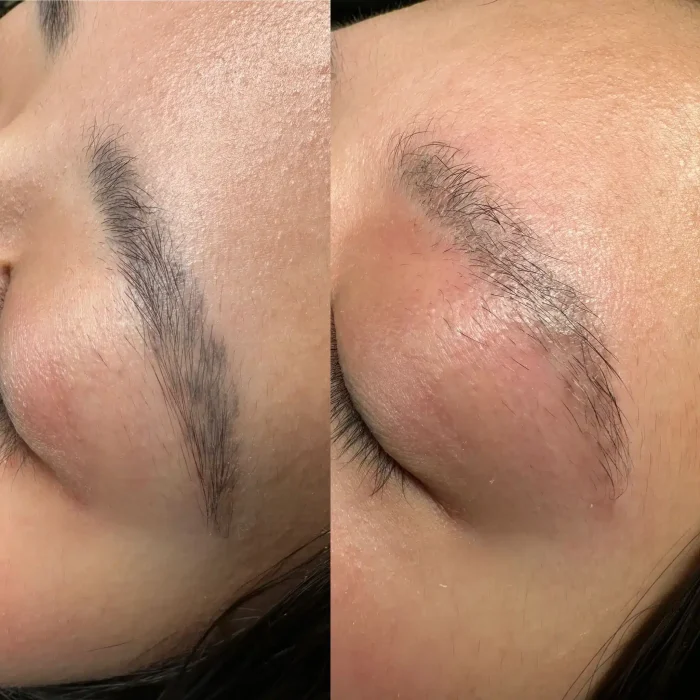
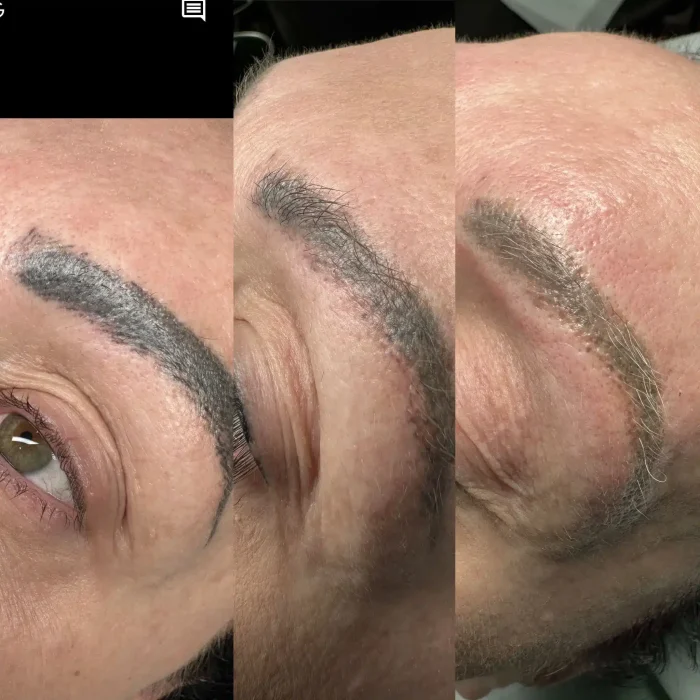
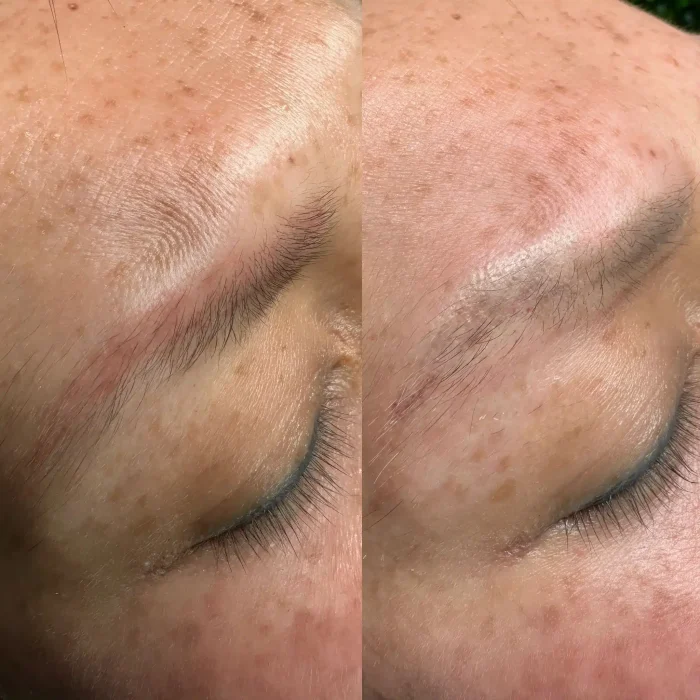
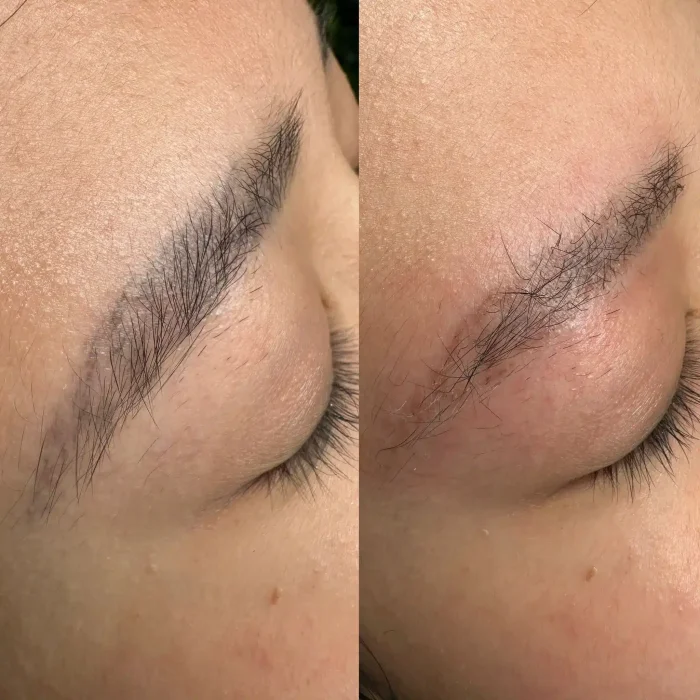
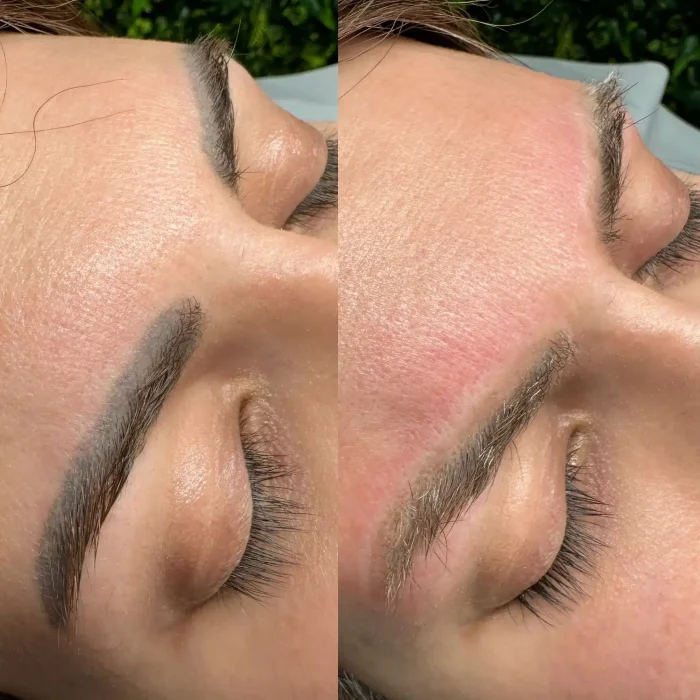
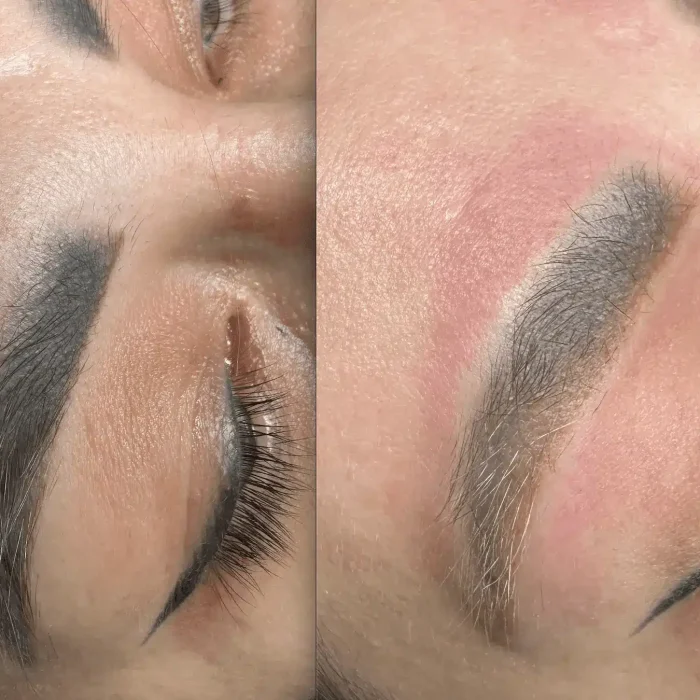
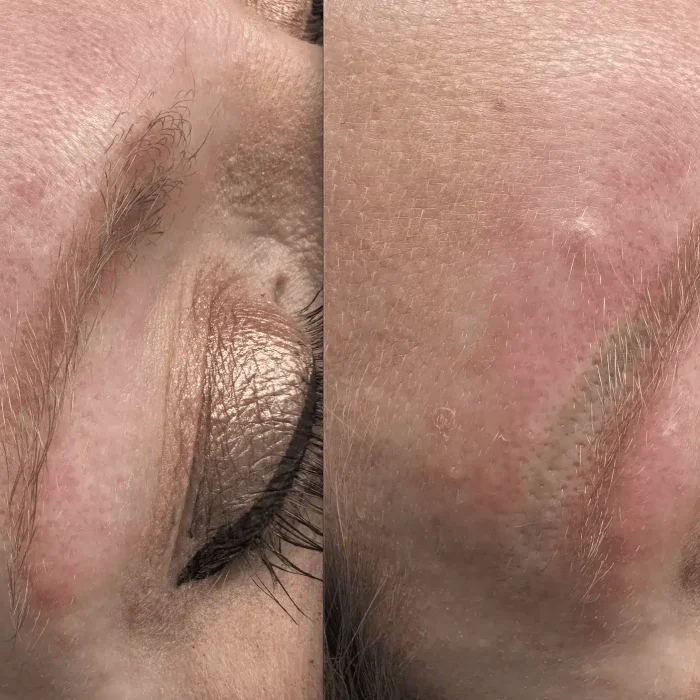
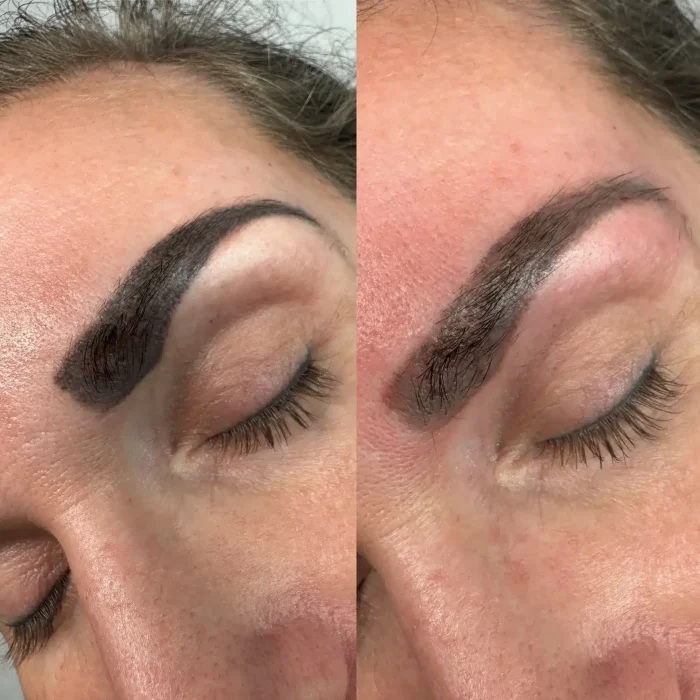
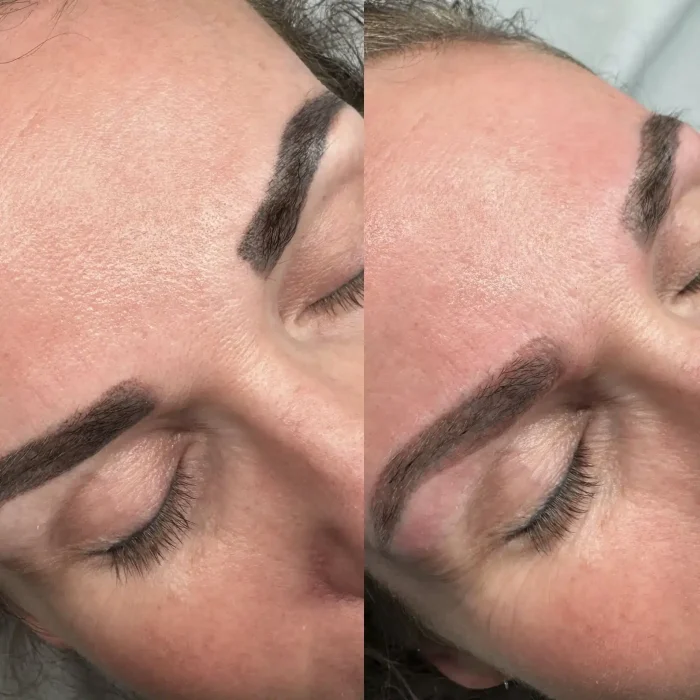
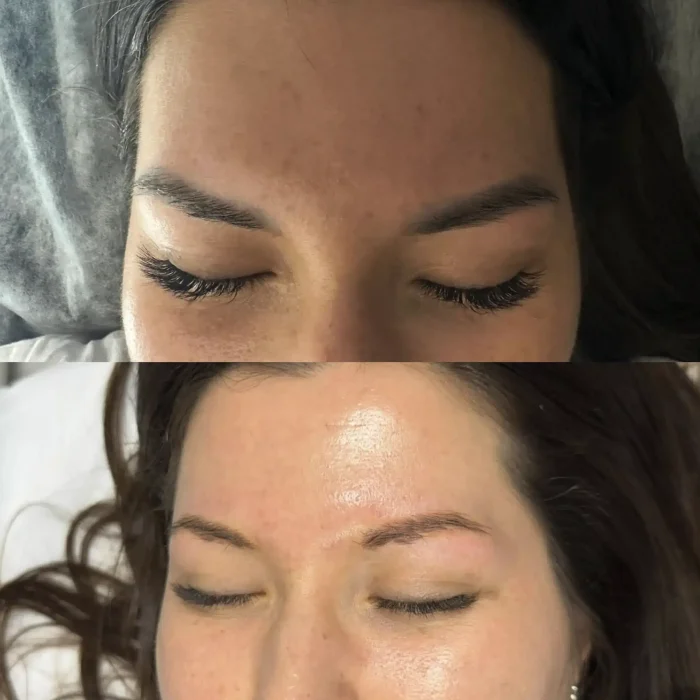
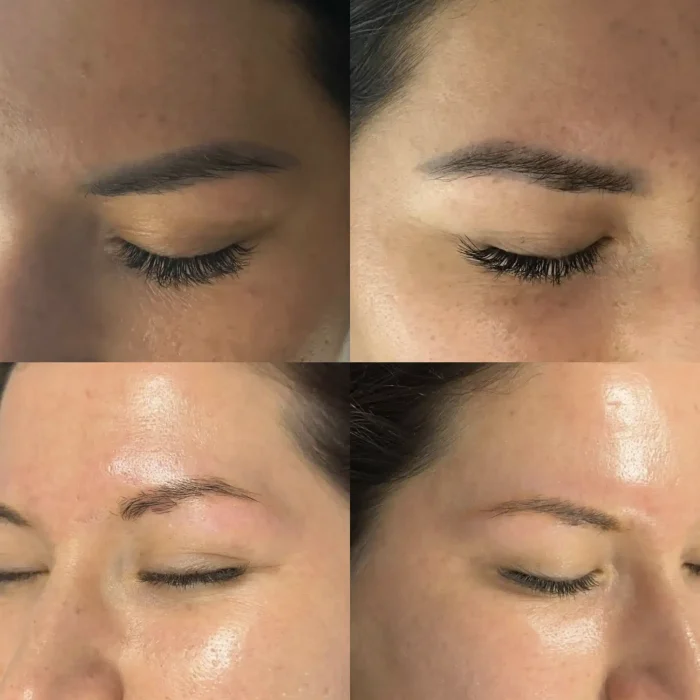
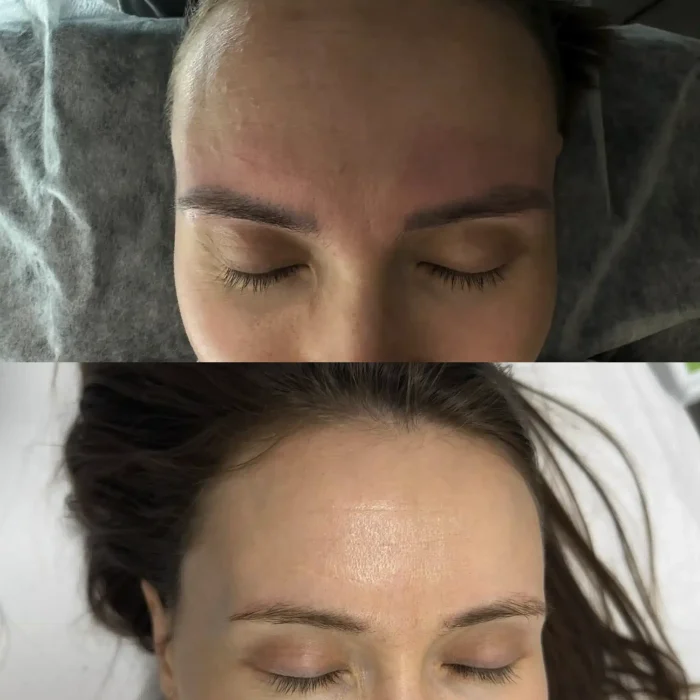
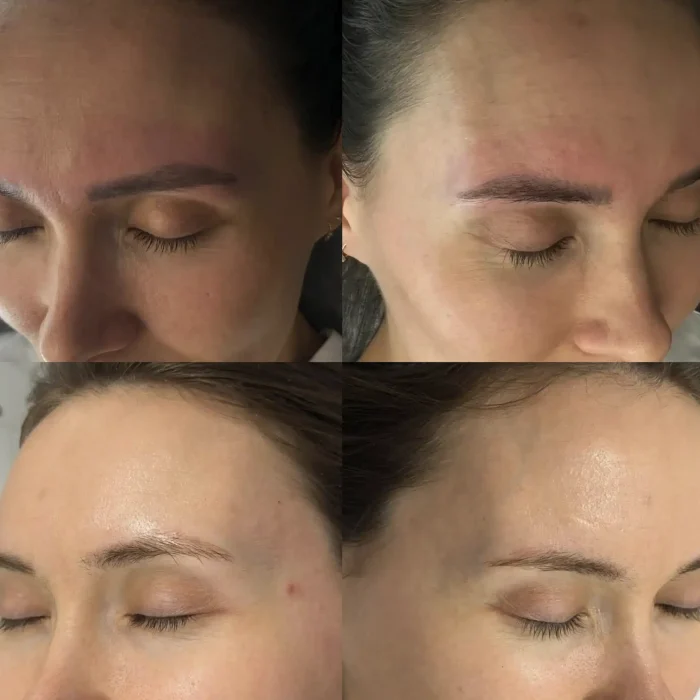
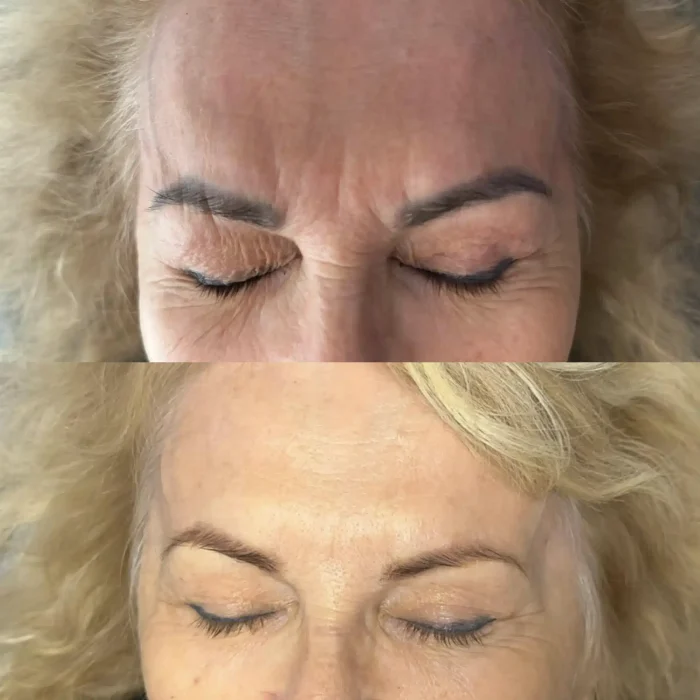
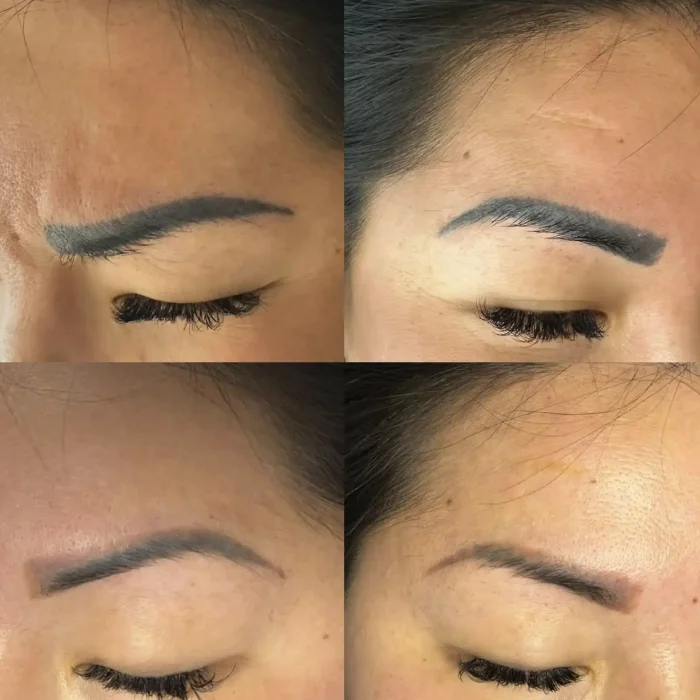
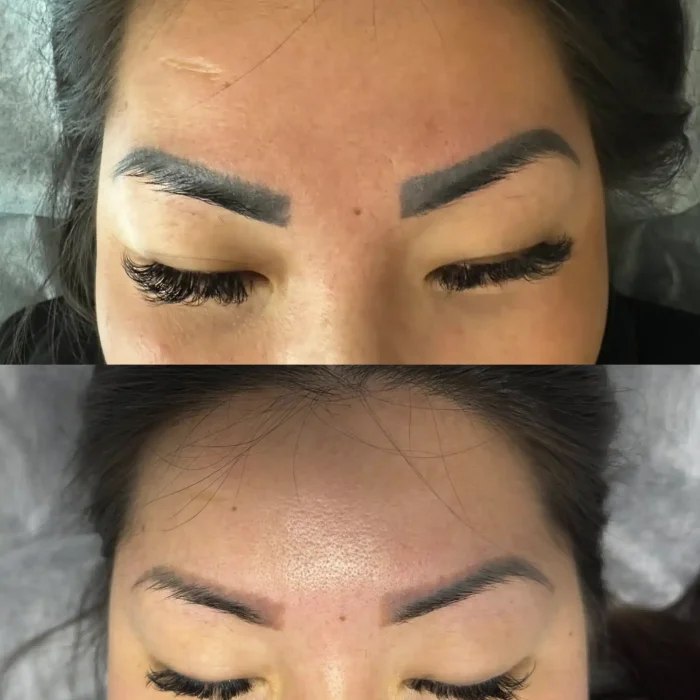

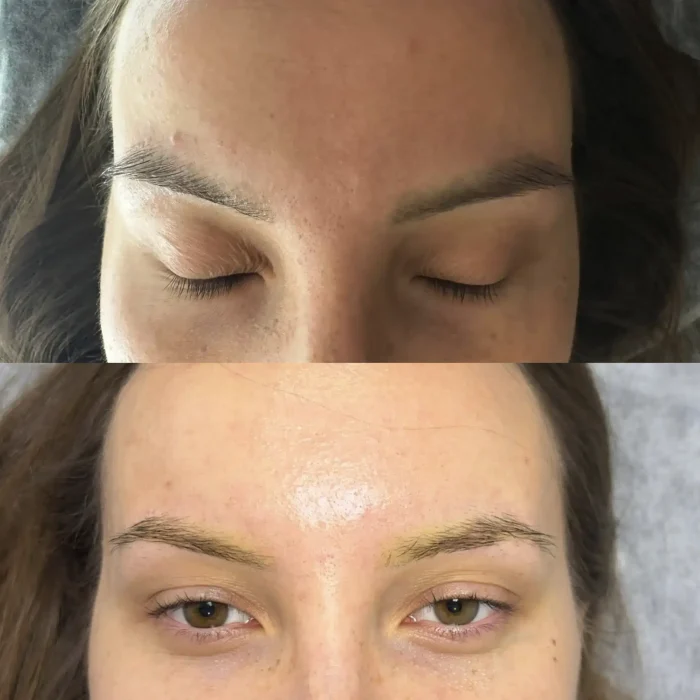
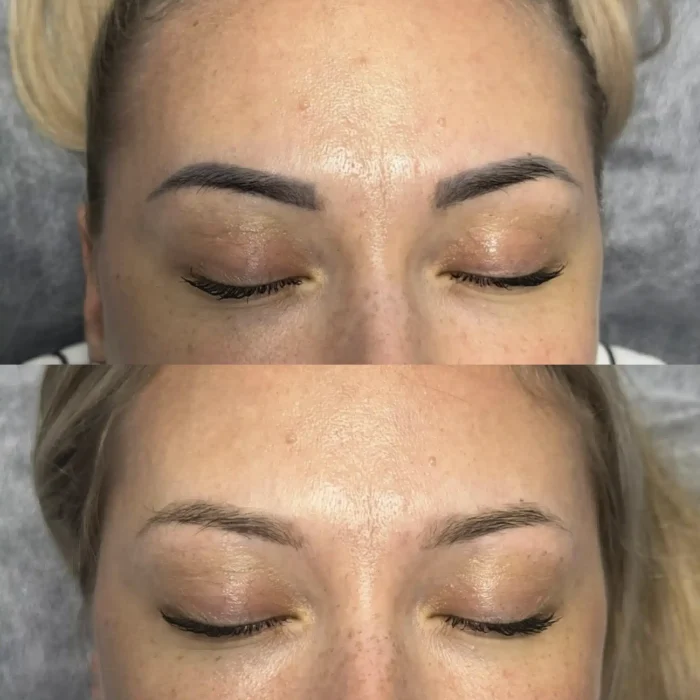
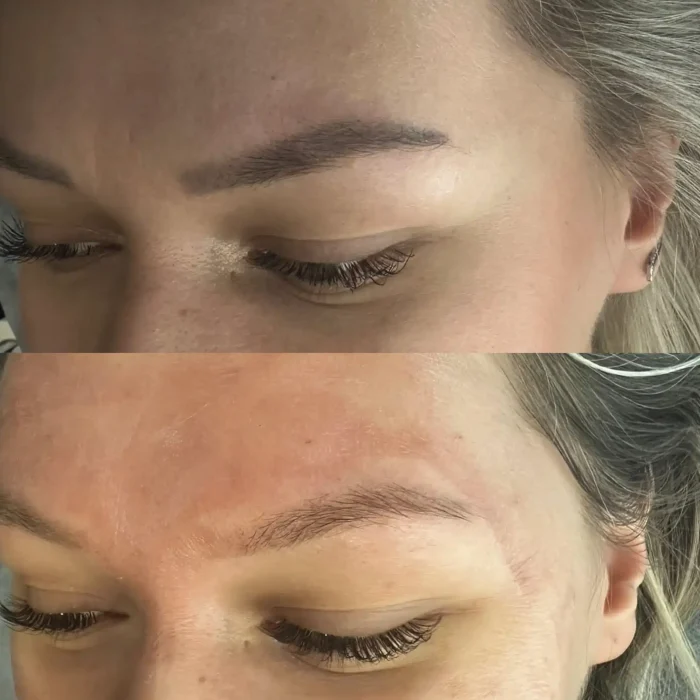
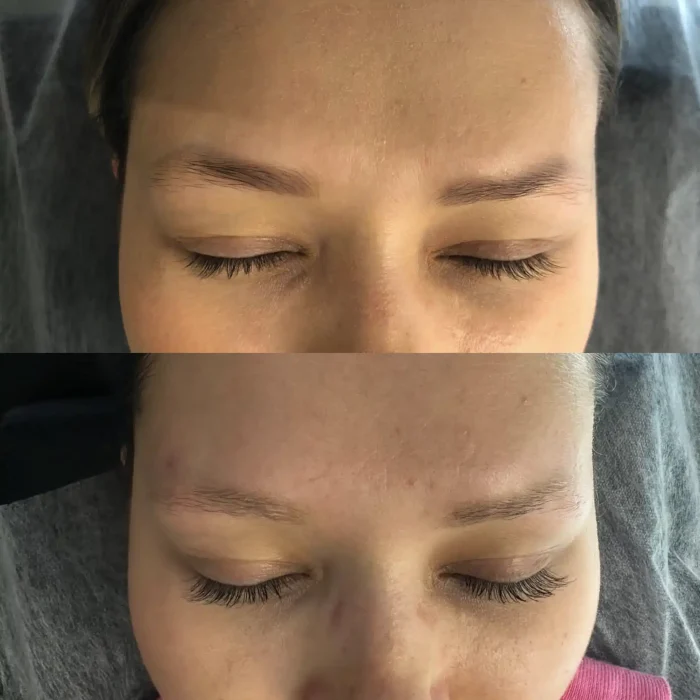
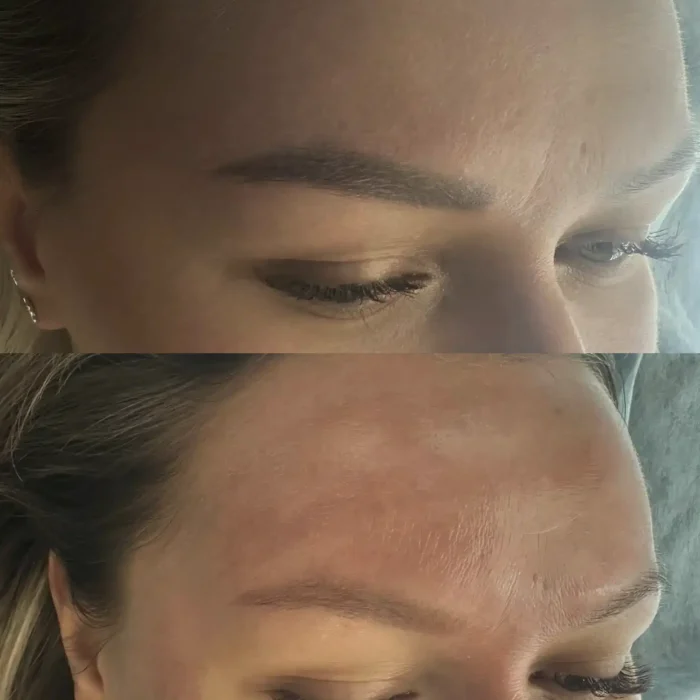
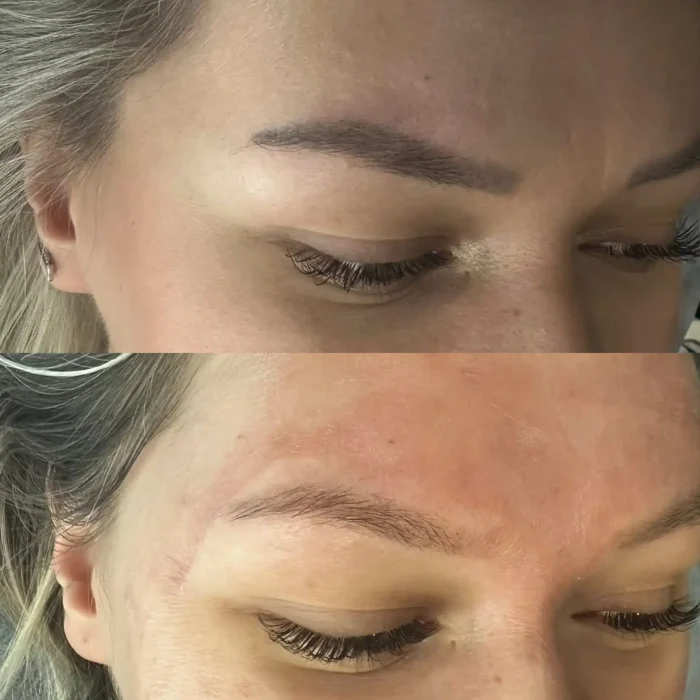
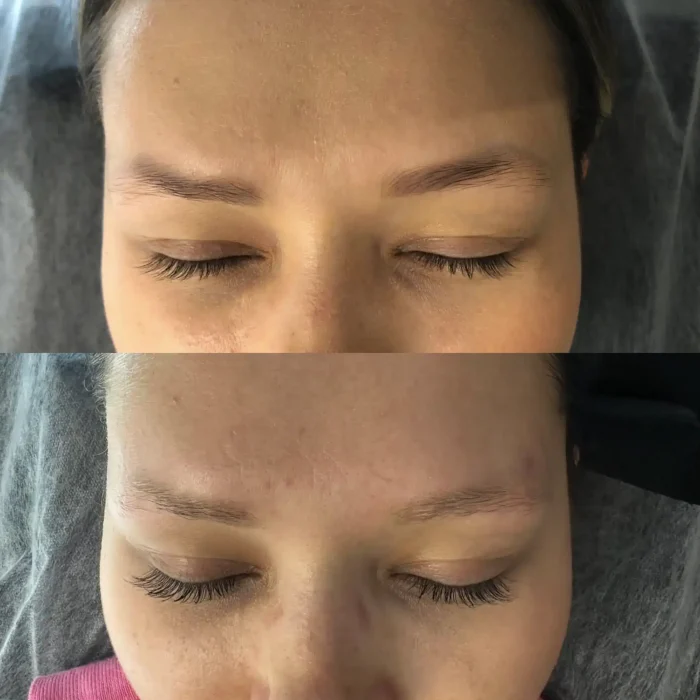
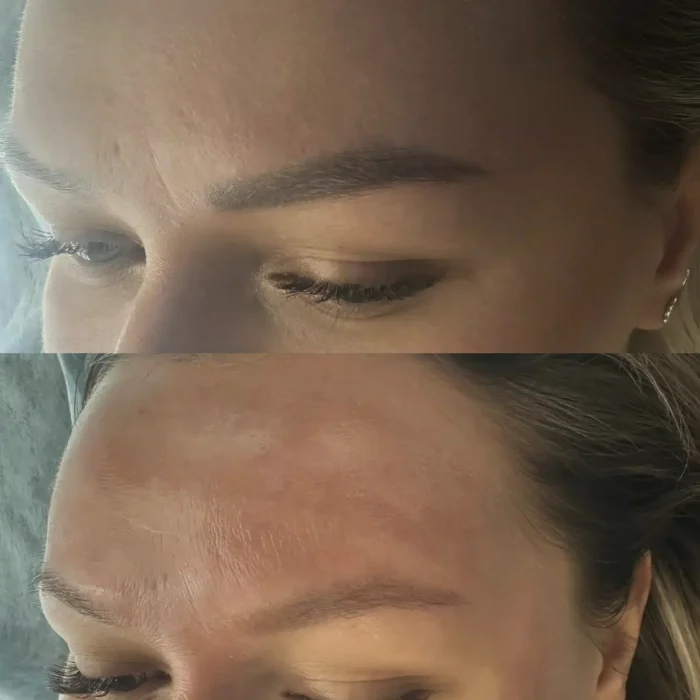
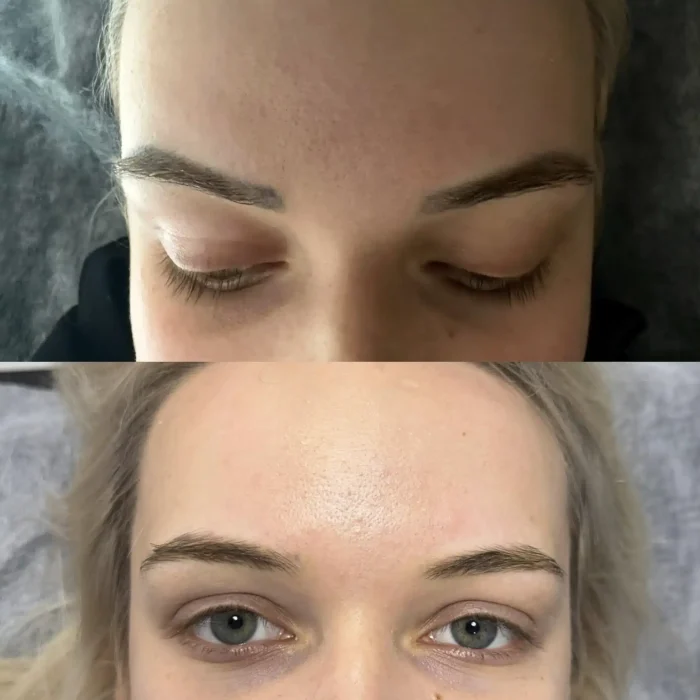


What is eyebrow tattoo removal?
How Lasers Remove Eyebrow Tattoos

Lasers can be used to erase tattoos from any part of the body, including the eyebrows. Permanent makeup, microbladed eyebrows, ombre brows, lip tattooing, permanent eyeliner and other cosmetic tattooing can all be removed with laser treatment.
Laser tattoo removal to get rid of tattoos of any type is the best and most effective method to do so. With the advancement of technology, it is now simpler than ever to get rid of undesirable ink without utilizing alternative at-home techniques that severely harm or scar your skin.
So how specifically does the laser treatment work? A light beam is directed onto the skin during eyebrow laser tattoo removal. As a result of the skin’s reaction to the heat, particularly in the area of the skin where the ink is stored, the pigment starts to break down into tiny particles, making it simpler for your body to eliminate the ink.
How many sessions does it take to remove a brow tattoo?
Depending on the size of the brow tattoo, the shade of the original pigment, and the kind of ink used by your artist, you may need a number of treatments. However, one session—which typically lasts between 20 and 30 minutes—is all that is needed. Nevertheless, your artist can give you a rough estimate of how many more sessions you’ll need during your initial appointment.
Your aesthetician will clean the eyebrow area before applying a local numbing cream. The procedure lasts 20–30 minutes, after which a healing cream is given to the laser-treated skin.
Expect some redness, slight swelling or mild edema in the laser area immediately after the procedure. This will subside after a few hours.
Aftercare routine
In the same way that there are ways to be ready for this procedure, there are also ways to care for your skin after laser tattoo removal so that it can heal and you can get the best outcome.
Here are a few aftercare suggestions:
- Ensure the treated area stays dry and clean, particularly over the first three days.
- Soothe your skin with the moisturizer recommended by the artist; this will lessen irritation and aid in the faster healing of the wound.
- Stay away from all heat exposure, and this covers excessive sweating, swimming, exposure to the sun, and hot water.
- Stay away from high-pressure water.
- Refrain from using tobacco and drinking alcohol after laser tattoo removal.
- Stop picking at your scabs. Picking your scabs could result in scars after tattoo removal.
What is a non-laser tattoo removal?
Non-laser cosmetic tattoo removal is gentler on the skin and non-invasive than laser service, which lowers the chance of scarring.
Anyone dissatisfied with their general semi-permanent makeup, has old-fashioned permanent makeup, uneven brows, or uneven pigment is a good candidate for this procedure.
How many sessions will it take to remove brow tattoos?
This procedure usually requires scheduling at least 3–4 sessions spread out over a few weeks or months to see the optimum result.
How does non-laser tattoo removal for eyebrows work?
The work process for removing a tattoo using a remover is similar to getting the tattoo in the first place. A special substance is injected with a needle under the skin to reach the location of the pigment.
After applying the removal liquid and penetrating the skin with a tattoo machine, the body naturally eliminates the undesired pigment. This will trigger osmosis, where the saline will lift out the ink through the skin’s outer layer.
A scab develops within five to ten days, and the pigment falls off with it. This system’s unique beauty lies in the fact that it truly remove tattoo ink from the skin in the same manner that it was applied.
Laser vs Acid tattoo removal
It is generally considered that laser removal is more effective than the non-laser method of eyebrow tattoo removal. Laser removal tends to be faster and more precise, with fewer sessions to achieve the desired results. The laser beam does not traumatize the skin, hair follicles, and hair shafts. Therefore, there is no scarring after tattoo removal, and recovery is usually faster than other tattoo removal techniques.
However, non-laser removal may be a good option for those with sensitive skin or allergies to laser treatment. Ultimately, the best choice will depend on the individual’s specific needs and circumstances.The photo below shows how the old pink eyebrow tattooing migrates to grey after the first laser tattoo removal session.Your beautician will help you calculate the exact cost at your initial appointment. Special conditions also apply to complex facial make-up.
